
Ascot Free Bets and New Customer Offers 2026
 Available in US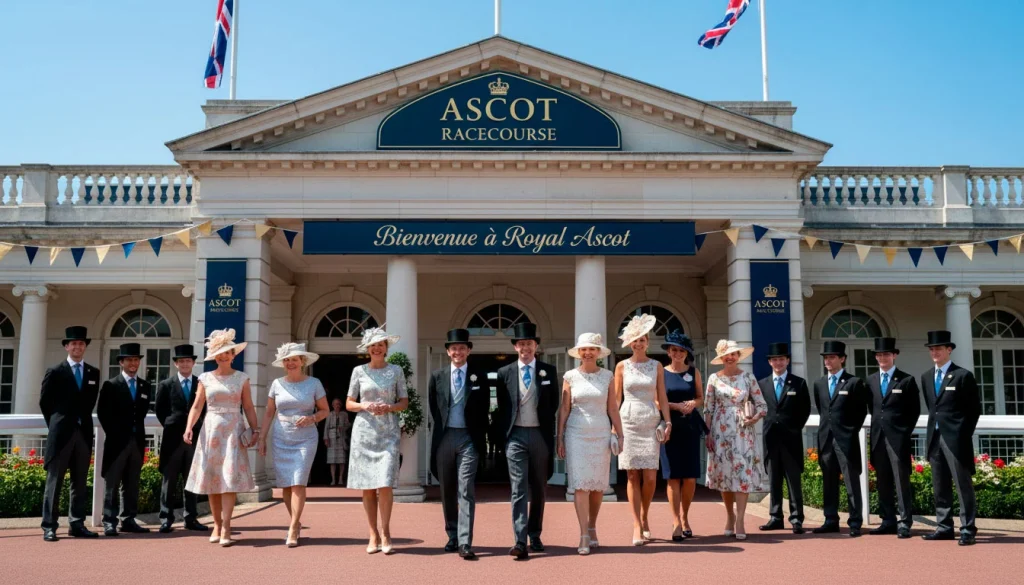
Ascot free bets and promotional offers provide new customers with genuine opportunities to bet with reduced risk—sometimes no risk at all. Bookmakers compete aggressively for new accounts, offering incentives that range from matched deposits to money-back specials. Used intelligently, these offers add value to your betting without requiring additional stake money. Understanding how they work, and which ones deliver real benefit, helps you extract maximum value from the competitive UK market.
This guide covers the main types of welcome offers, explains the wagering requirements that attach to most bonuses, and highlights the special promotions that typically emerge around Royal Ascot. The goal is practical: know what you are signing up for, meet the qualifying conditions efficiently, and keep whatever value the offer provides.
Ascot Free Bets and New Customer Offers 2026 — More on this topic at ascot betting tips.
Types of Welcome Offers
New customer offers fall into several categories, each with distinct mechanics. The most common format is “Bet X, Get Y”—place a qualifying bet of a specified amount and receive free bets or bonus funds in return. A typical offer might read “Bet £10 Get £30 in Free Bets,” meaning your initial ten-pound bet triggers thirty pounds in bonus credit. The qualifying bet may win or lose; the free bets arrive regardless.
Risk-free first bet offers work differently. You place your first bet as normal; if it wins, you keep the winnings. If it loses, the bookmaker refunds your stake as a free bet or bonus credit, giving you a second chance to find a winner. These offers reduce downside risk on your first selection, though the refund typically comes as non-withdrawable credit rather than cash.
Money-back specials target specific outcomes: “Money back if your horse finishes second to the favourite” or “Refund if your selection falls at the last fence.” These promotions apply to particular races rather than general betting and often appear around major festivals. The value depends on how likely the trigger condition is—a generous money-back offer on a common outcome provides meaningful insurance.
The UK’s regulated betting market ensures these offers operate within a controlled framework. According to IBIA and H2GC data, UK onshore channelisation in sports betting stands at 97 percent, meaning virtually all activity occurs through licensed operators. This regulatory environment means promotional terms must be transparent, and operators face penalties for misleading advertising. You can trust that stated offer terms will be honoured, though you must still read them carefully to understand what you are committing to.
Understanding Wagering Requirements
Most bonuses attach conditions that govern how you can use them and when you can withdraw any winnings. Wagering requirements specify how much you must bet before bonus funds convert to withdrawable cash. A “5x wagering requirement” on a twenty-pound bonus means you must place one hundred pounds in total bets before the bonus balance (or any resulting winnings) can be withdrawn.
Minimum odds restrictions prevent you from meeting wagering requirements by backing heavy favourites. If the terms specify “minimum odds of 1/2” or “minimum odds of 1.5 decimal,” bets on odds-on selections will not count toward your wagering progress. This forces you to take on genuine risk rather than grinding through requirements with near-certain outcomes.
Qualifying bet restrictions further narrow how offers work. Some bookmakers require your initial bet to settle at particular minimum odds—often evens or higher—before the bonus triggers. Others exclude certain bet types: each-way bets might not qualify, or system bets like Lucky 15s might be excluded. Missing these requirements means missing the bonus, so verify them before placing your qualifying bet.
Free bets differ from bonus credit in one important respect: typically, the stake is not returned on a winning free bet. If you place a ten-pound free bet at 4/1 and win, you receive forty pounds profit rather than fifty pounds total return. The free bet stake evaporates regardless of outcome. This reduces the effective value of free bets compared to cash—a ten-pound free bet is worth roughly seven to eight pounds depending on your betting patterns.
Royal Ascot Special Promotions
Major racing festivals generate promotional activity far beyond standard welcome offers. Royal Ascot, as the pinnacle of the flat racing calendar, attracts the most aggressive competition between bookmakers. Extra place offers, enhanced odds on selected runners, money-back specials, and free bet festivals proliferate during the five-day meeting.
Extra place promotions deserve particular attention for each-way bettors. Instead of paying three places on a handicap, a bookmaker might pay four, five, or even six. This significantly increases the probability that an each-way bet returns something, particularly in the large-field handicaps that characterise Royal Ascot. Checking which bookmakers are offering extra places on each race—and how many places—becomes essential during the meeting.
The scale of Royal Ascot explains why bookmakers invest so heavily in promotions. With 286,541 visitors attending the 2025 meeting, including massive television audiences, the event represents an unparalleled customer acquisition opportunity. Bookmakers treat Royal Ascot as their biggest racing week of the year, with marketing budgets to match. Bettors who position themselves to exploit this promotional intensity can secure substantial value beyond normal market conditions.
Timing your sign-ups around Royal Ascot maximises welcome offer value. Opening a new account immediately before the meeting allows you to use your qualifying bets on competitive Royal Ascot markets rather than random midweek fixtures. The promotional overlay—extra places, enhanced odds, money-back offers—applies to your activity, meaning you benefit from both the welcome offer and the event-specific promotions simultaneously.
Sign-Up Strategy for Maximum Value
Strategic account opening extracts more value than haphazard sign-ups. Rather than claiming every available offer immediately, space your registrations to coincide with opportunities where the bonuses will be most useful. Opening accounts before Royal Ascot means using welcome offers on quality racing; opening accounts randomly throughout the year might waste qualifying bets on inconsequential midweek meetings.
See also Live Betting at Ascot.
Maintain a list of bookmakers where you do not yet have accounts. These represent future value: each one offers a welcome bonus you can claim when the timing suits. Keeping several bookmakers in reserve ensures you have options before major festivals, allowing you to shop for the best current offers rather than taking whatever a single operator provides.
Compare welcome offers across bookmakers before choosing where to sign up. A “Bet £10 Get £40” offer obviously beats “Bet £10 Get £20,” but terms matter too. An offer with 1x wagering requirements at minimum odds of 1/1 beats an apparently larger offer with 5x requirements at minimum odds of 2/1. Effective value considers both the headline amount and the conditions attached.
After extracting welcome offer value, evaluate each bookmaker for ongoing use. Some operators offer continuous promotions—loyalty free bets, acca boosts, price guarantees—that justify continued activity. Others front-load their value into the welcome offer, providing little incentive for returning customers. Let the best ongoing propositions earn your regular business while keeping other accounts available for occasional use when their specific promotions suit.
Document your offer progress and outcomes. Tracking which bonuses you have claimed, what wagering requirements remain, and how much value you have extracted helps optimise future decisions. Over time, patterns emerge: certain bookmakers consistently deliver better promotions for racing customers, while others focus their efforts on football or other sports. This intelligence guides where you allocate your attention and bankroll.
