
Wokingham Stakes Betting: Sprint Handicap Guide
 Available in US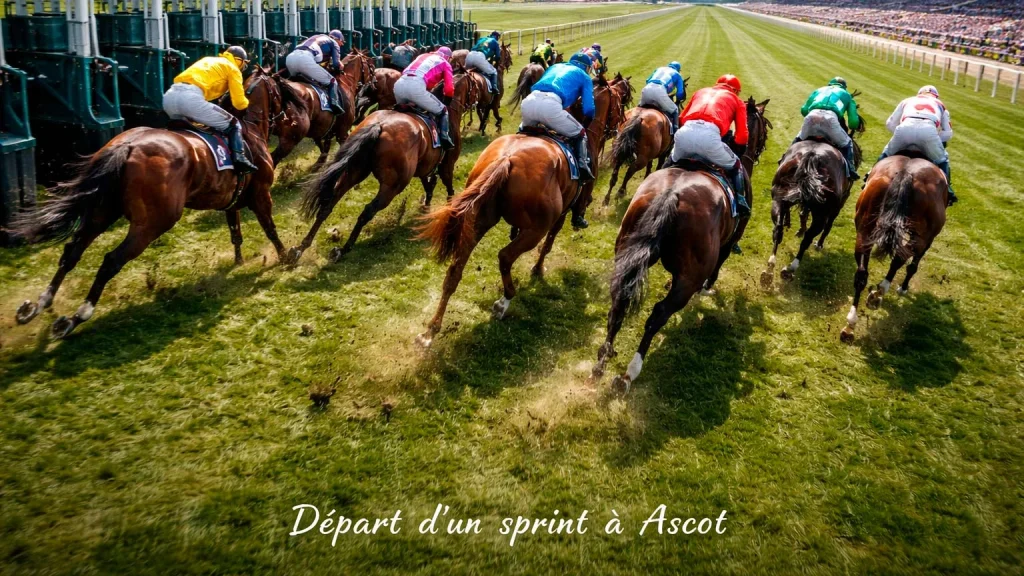
Wokingham Stakes betting closes Royal Ascot’s final Saturday with one of the meeting’s most thrilling spectacles. This heritage sprint handicap over six furlongs attracts fields of twenty-five to thirty runners, creating the kind of cavalry charge that embodies the excitement—and unpredictability—of big-field sprint racing. The race rewards sprint handicap secrets: understanding how pace, draw, and ground combine to shape outcomes when two dozen horses break simultaneously from the stalls.
As the penultimate race on Royal Ascot’s closing day, the Wokingham carries both financial and emotional weight. Punters seeking to recover losses or cement profits focus their attention here; bookmakers offer enhanced place terms anticipating heavy action. The compressed nature of sprint racing—everything decided in little over a minute—amplifies the tension. This guide examines the race’s characteristics, how draw impacts outcomes on the straight six furlongs, pace analysis in maximum-field sprints, and betting strategies for extracting value from chaos.
Wokingham Stakes Betting — More on this topic at ascot betting tips.
Race Characteristics
The Wokingham Stakes runs over Ascot’s straight six-furlong course, featuring the uphill finish that tests stamina even over sprint distances. Horses break from stalls at the far end of the course and race directly towards the grandstand, with the ground rising throughout the final three furlongs. This configuration demands more than pure speed: sprinters must sustain their effort when lesser tracks would allow them to coast to the line.
Field sizes consistently reach capacity limits. Twenty-five to thirty runners create wall-to-wall racing where finding a clear passage becomes as important as raw ability. Interference is common; horses getting hampered in the early exchanges rarely recover sufficiently to challenge. Jockeys with experience navigating these conditions—understanding when to push for position and when to accept a covered-up berth—add value beyond their horses’ basic form.
Understanding pace dynamics proves essential in sprint handicaps. Research from BHA handicappers, cited by lightspeedstats, indicates that approximately 40 percent of results appearing to contradict form can be explained through pace analysis. In the Wokingham, with multiple pace setters drawn across the field, genuine gallops typically develop—benefiting horses who can come from behind to pick off tiring rivals in the final furlong.
Prize money reflects the race’s status within Royal Ascot’s heritage handicap programme. While not matching Group race purses, the reward justifies targeting by leading yards. Trainers campaign horses specifically for the Wokingham, managing marks through the spring to secure competitive entries. Identifying which runners arrive at peak fitness rather than compromised by qualification efforts separates serious analysis from casual punting.
Draw Impact on the Straight Course
Draw matters in the Wokingham, though Ascot’s modern track produces less extreme bias than courses with pronounced configurations. The 2006 reconstruction improved drainage across the course width, reducing the advantage that inside draws previously enjoyed. Nevertheless, ground conditions, field size, and jockey tactics combine to create draw patterns that informed bettors can exploit.
Comparative data from other tracks illustrates what extreme bias looks like. At Beverley over five furlongs, horses drawn in stalls one and two have produced 70 wins from 490 runs, while those drawn in stalls ten and eleven managed just 11 wins from the same sample. Ascot’s bias never approaches such extremes, but understanding how bias operates elsewhere helps calibrate expectations for how even modest advantages might influence outcomes.
David Armstrong, Chief Executive of the Racecourse Association, has reflected on racing’s positive trajectory: “I am pleased to see the half-year attendance returns demonstrate a strong period of growth. Underlying trends have been positive for some time, and it is reassuring that they have begun to manifest into firm numbers.” His assessment, shared through the RCA’s attendance report, underscores the health of meetings like Royal Ascot—events where competitive fields and genuine betting interest create the conditions that draw analysis aims to exploit.
Observing earlier races on Wokingham day provides real-time draw intelligence. If horses drawn low have dominated the straight-course races throughout Saturday’s card, the pattern likely continues. Conversely, if high numbers have prospered—perhaps because ground on the far side has ridden faster—adjust your selections accordingly. The Wokingham runs late enough in the day for patterns to emerge; use them rather than relying solely on pre-race assumptions.
Pace Analysis in Sprint Handicaps
Sprint handicaps produce more predictable pace scenarios than Group sprints because field size ensures multiple horses show early speed. When thirty runners break, a dozen might contest the early lead—creating a genuine gallop that strings out the field and benefits closers. The Wokingham typically unfolds this way: frantic early battles followed by a stamina test up the Ascot hill.
Identifying confirmed front-runners among the entries helps predict race shape. Some sprinters need to lead; others prefer to track the pace; still others require strong gallops to unleash their finishing kicks. Mapping these preferences across the declared field reveals whether early speed will be contested—almost certainly yes in a full field—and how intensely. When multiple pace setters are drawn adjacent, expect them to race together; when separated across the track, they might establish separate groups that only merge in the final two furlongs.
Horses who have won from behind in big-field sprints bring relevant credentials. Their jockeys have demonstrated the ability to navigate traffic; the horses themselves have shown the finishing speed to overhaul rivals. Front-runners face the opposite challenge: maintaining effort while pressured throughout. Some have the constitution to lead under fire; others capitulate when challenged, emptying themselves before the finish.
The uphill finish magnifies pace effects. Horses who have used their energy contesting the early lead face a demanding final three furlongs; those who have travelled covered up conserve energy for when it matters most. The gradient separates genuine six-furlong horses from five-furlong specialists trying to stretch their stamina. Pedigree helps here: horses with miling blood in their breeding often handle the Wokingham’s demands better than pure speed types.
Betting Strategies
Each-way betting dominates Wokingham strategies for good reason. Bookmakers typically pay six or seven places on fields of this size, and the compressed nature of form means multiple horses possess realistic place chances. Target prices of 14/1 or longer where you believe a horse can finish in the first six or seven even if winning requires exceptional luck. The place portion of your bet provides insurance against the chaos inherent in thirty-runner sprints.
See also Coventry Stakes Betting.
Extra place promotions add value on Wokingham day. Several bookmakers extend place terms to eight or even ten places for the race, significantly increasing the probability that your selection returns something. Check which operators are offering enhanced terms before placing your bets, and concentrate stakes where the terms are most generous. The effective odds improve when more places pay, making borderline selections viable.
Covering draw sectors provides another structural approach. Rather than backing a single horse and hoping its draw proves advantageous, select one horse from the high numbers, one from the middle, and one from the low numbers. This strategy hedges against draw bias revealing itself; whichever section of the track rides fastest, you have representation. Size stakes to ensure profitability if any one selection places; accept that you are trading maximum upside for reduced variance.
Late betting captures information flow as race time approaches. Professional money enters markets in the final minutes before the off, reflecting intelligence about horses’ wellbeing, ground conditions, and stable confidence. Significant shortening—a horse moving from 20/1 to 12/1 in the final hour—suggests serious support worth respecting. Wait until close to post time before finalising selections, balancing the risk of missing prices against the value of updated information.
