
Tote Betting at Ascot: Pool Bet Guide
 Available in US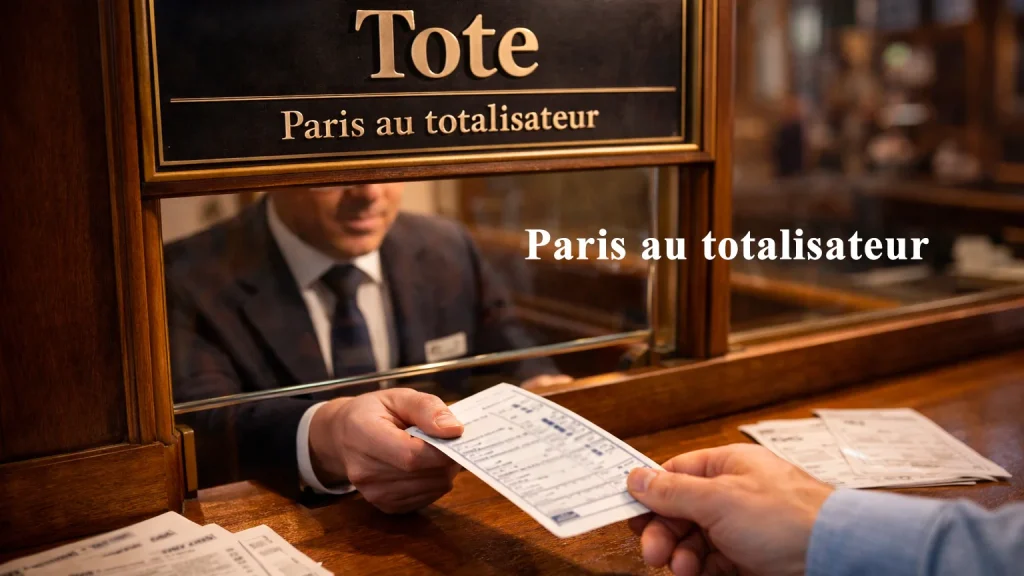
Tote betting at Ascot offers pool betting opportunities that fixed-odds markets cannot replicate. While traditional bookmakers set prices reflecting their margin, the Tote distributes pooled stakes among winning bettors after deducting a percentage for operating costs. This parimutuel system creates different value propositions: sometimes the Tote pays better than fixed odds, sometimes worse. Understanding when pool betting opportunities emerge—and how to structure bets to exploit them—provides an alternative path to profit.
Ascot’s major meetings generate substantial Tote pools, particularly during Royal Ascot when betting volumes peak. Larger pools produce more stable dividends and greater liquidity, making the Tote more attractive for serious bettors than at poorly attended midweek fixtures. This guide explains how the Tote works, strategies for the popular Placepot bet, World Pool opportunities at Ascot, and how to identify situations where pool betting beats fixed-odds alternatives.
Tote Betting at Ascot — More on this topic at ascot betting tips.
How the Tote Works
The Tote operates on parimutuel principles: all bets on an outcome go into a pool; the pool (minus deductions) is divided among winning bettors. Unlike fixed odds, where your price is locked at bet placement, Tote dividends depend on how others bet. If you back an overlooked winner, your share of the pool is larger; if you back the favourite, your share is smaller. Final dividends are declared only after betting closes.
Deductions fund operations and contribute to racing’s financial ecosystem. The HBLB Annual Report notes that levy yield reached £108.9 million in 2024/25—the highest since reforms in 2017. While this levy comes primarily from fixed-odds betting, pool betting contributes to the broader funding mechanism that supports British racing. Tote deductions typically range from 10-25 percent depending on bet type, with win bets taking smaller cuts than exotic multiples.
Pool size affects dividend stability. In small pools, a few large bets can dramatically shift payouts; in large pools, individual bets have minimal impact on final dividends. Ascot’s major meetings generate pools substantial enough that dividends approximate true market assessments of each horse’s chance. Smaller meetings may see more volatile dividends that occasionally offer exceptional value—or terrible returns—depending on how others have bet.
Comparing Tote odds to fixed odds helps identify value. Before Tote betting closes, indicative dividends show approximate payouts based on current pool distribution. If the Tote is showing better returns than the best fixed odds available, pool betting offers value; if fixed odds are superior, take the guaranteed price. This comparison requires checking both markets close to race time, when indicative dividends are most accurate.
Placepot Strategy
The Placepot requires selecting a horse to place in each of the first six races on a card. “Place” typically means first, second, or third in fields of eight or more runners; first or second in smaller fields. All six selections must place for the bet to win; if any fails, the stake is lost. The structure creates a unique challenge: consistency matters more than brilliance, and spreading risk across selections becomes essential.
Banker selections anchor Placepot strategy. A banker is a horse you believe will almost certainly place—typically a short-priced favourite in a small field or an overwhelming class act in a weak race. Building your Placepot around one or two bankers reduces the number of horses you need across other legs, keeping stakes manageable. However, over-reliance on bankers risks disaster when the “certainty” fails; balance confidence against appropriate diversification.
Perming multiple selections in tricky races manages unpredictability. If a race looks competitive with no standout place candidate, selecting two or three horses in that leg captures more possibilities—but increases total stake exponentially. A Placepot with one selection per race costs one unit; adding a second selection in one race doubles the cost; two selections in two races quadruples it. Calculate total stake before confirming bets, as costs escalate quickly with multiple perms.
Race selection within the Placepot structure deserves attention. Some meetings front-load competitive handicaps while placing near-certainties later in the card; others reverse the pattern. Study the card’s shape before constructing your Placepot: where can you confidently bank, and where must you spread? Allocate more selections to unpredictable races and fewer to races where form points clearly to place candidates.
World Pool at Ascot
World Pool combines betting from multiple countries into unified pools, dramatically increasing liquidity. At Ascot’s major meetings—Royal Ascot, the King George, British Champions Day—World Pool integration means bettors contribute to and share pools with punters in Hong Kong, continental Europe, and beyond. The resulting pool sizes dwarf domestic-only offerings, producing more stable dividends and occasionally superior returns.
Ascot’s commercial success underpins its World Pool participation. The track’s record turnover of £113.1 million in 2024 reflects the venue’s international appeal and the betting volumes it generates. World Pool functionality connects this domestic activity to global markets, creating opportunities for UK bettors to access prices influenced by overseas assessments that may differ from local perspectives.
International betting patterns can create value discrepancies. Hong Kong punters, assessing a Royal Ascot race from afar, might underestimate a horse whose UK form they have not closely followed. Conversely, they might overbet an internationally recognised name while overlooking a domestic improver. These perception gaps create Tote dividends that diverge from fixed odds, sometimes significantly. Identifying when international money has mispriced British form offers genuine edge.
World Pool timing requires adjustment. Pools remain open until shortly before race start, but international components may close earlier due to time zone differences. Check closing times carefully when planning late betting strategies; the pool composition at close might differ from indicative dividends shown while all markets were open. UK morning bets enter pools before Asian evening bets, potentially shifting final dividends.
When Tote Beats Fixed Odds
Underlays—horses the Tote prices more generously than fixed-odds bookmakers—emerge predictably in certain scenarios. Lightly raced horses without established reputations often see less Tote support than their ability warrants. Horses returning from breaks, whose recent form is unavailable to casual bettors, may go overlooked in pool betting while fixed-odds markets price them more accurately. Identifying these patterns before racing allows you to choose whichever market offers better value.
See also Ascot Lucky 15 Strategy.
Heavily backed favourites create overlay opportunities elsewhere. When a market leader attracts disproportionate Tote support—often because casual punters follow names rather than prices—the pool for other horses swells. The favourite might show a worse Tote price than fixed odds while outsiders show better Tote returns than available elsewhere. If you are backing a longshot, checking the Tote against best fixed odds might reveal significant value.
Late market moves affect Tote and fixed odds differently. A horse shortening dramatically in fixed-odds markets may not see proportionate Tote support if the move comes too late for pool bettors to react. Conversely, informed pool money arriving late can shift Tote dividends without affecting fixed odds already taken. Watching both markets in the final minutes before a race reveals which offers better value for your selection.
Pool liquidity determines practical opportunity. In small pools, one large bet can collapse a horse’s Tote dividend below fixed odds; in large pools, individual bets barely move prices. Ascot’s major meetings generate sufficient liquidity that Tote prices approximate fair value, making genuine overlays meaningful rather than illusory. Use the Tote primarily at well-attended fixtures where pool size ensures dividend stability.
