
Ascot Racing Calendar 2026: Key Dates and Fixtures
 Available in US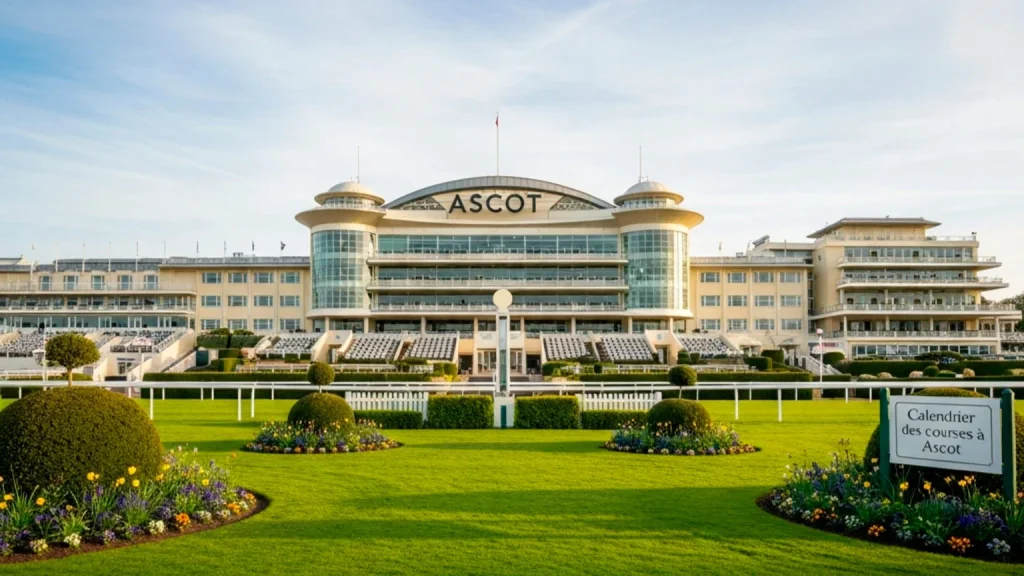
Planning your Ascot year begins with understanding the racing calendar—knowing when major meetings occur, which fixtures offer the best betting opportunities, and how to structure ante-post positions around the seasonal rhythm. Ascot hosts approximately twenty-five fixtures annually, ranging from low-key midweek cards to the flagship Royal Ascot meeting that defines the British Flat season. Strategic bettors work backwards from target races, identifying preparation opportunities and value windows.
The 2026 calendar follows Ascot’s established pattern: spring openers, the Royal meeting in June, midsummer’s King George, and the season-closing British Champions Day in October. Each period presents distinct betting characteristics—different ground conditions, different competitive dynamics, different market behaviours. This guide walks through the calendar chronologically, highlighting key dates and the betting considerations each period demands.
Ascot Racing Calendar 2026 — More on this topic at ascot betting tips.
Spring Fixtures: April and May
Ascot’s Flat season typically begins in late April with meetings that mark the reawakening of turf racing after winter’s jump-dominated period. These early fixtures attract horses returning from breaks, three-year-olds stepping up from juvenile campaigns, and trainers testing potential Royal Ascot candidates. Form from these meetings provides first evidence of the season’s hierarchy, though conclusions must be tentative given horses’ varying readiness.
The Victoria Cup meeting in May features a competitive handicap that serves as a Royal Hunt Cup trial for some trainers. Winners here occasionally progress to Royal Ascot success, making form study valuable beyond the immediate fixture. Spring ground—often Good to Soft after winter moisture—suits different horses than summer’s faster conditions, adding complexity to form analysis.
Ante-post betting for Royal Ascot intensifies through May as trial results reshape markets. Horses emerging from spring handicaps with unexposed potential can offer value before Royal Ascot prices contract. Monitoring which trainers are entering runners for Group race trials—the Lockinge at Newbury, York’s Dante meeting—reveals intentions that inform ante-post assessment.
Casual bettors often overlook spring fixtures, creating thinner markets where serious punters can extract value. Lower betting volumes mean prices adjust more slowly to relevant information; being first to identify an improver from a spring Ascot run can provide weeks of value before the market catches up.
Royal Ascot: The June Showcase
Royal Ascot runs for five consecutive days in mid-June, typically beginning on the Tuesday following the Epsom Derby. The meeting features thirty races including eight Group 1 contests, heritage handicaps carrying significant prize money, and the social spectacle that defines British racing’s relationship with broader culture. For bettors, Royal Ascot represents the year’s most intense concentration of high-quality betting opportunities.
The meeting’s scale demands attention. According to BloodHorse reporting, Royal Ascot 2025 attracted 286,541 visitors across the five days—a 4.8 percent increase on the previous year. This attendance volume generates enormous betting turnover, creating liquid markets and promotional activity from bookmakers competing for business. The combination of quality racing and competitive bookmaker offers makes Royal Ascot essential for serious bettors.
Daily themes shape betting approaches. Tuesday opens with the Queen Anne Stakes and features the Coventry Stakes for juveniles. Wednesday showcases the Prince of Wales’s Stakes. Thursday—Ladies’ Day—centres on the Gold Cup, the week’s most prestigious race. Friday features the Coronation Stakes. Saturday closes with the Diamond Jubilee Stakes and heritage handicaps. Planning which days to focus betting activity—and which races to target—improves efficiency versus attempting comprehensive coverage.
Ante-post timing for Royal Ascot depends on risk tolerance. Betting months ahead captures potentially generous prices but carries non-runner risk; waiting until declarations confirms runners but faces shorter prices. Many bettors adopt staged approaches: small ante-post positions in horses likely to run, topped up on declaration day when participation is confirmed.
Summer: King George Meeting
The King George VI and Queen Elizabeth Stakes meeting in late July marks midsummer’s championship day for middle-distance horses. The feature race attracts Classic winners, proven Group performers, and international challengers—often producing small but fiercely competitive fields. Supporting races include valuable handicaps and conditions races that round out an important betting day.
Prize money underscores the meeting’s significance. The King George carries £1.5 million in total prize money—the richest race in Ascot’s history. This purse attracts the best middle-distance horses from across Europe, ensuring quality that justifies the meeting’s championship status. For bettors, the concentration of elite talent creates markets where form reliability is high but prices can be short.
Summer ground conditions typically feature Good to Firm or faster going, suiting horses who act on quicker surfaces. Unlike spring or autumn, watering becomes necessary to prevent ground becoming too firm—track management that bettors should monitor via official going updates. Horses who struggled on soft spring ground might thrive in summer conditions; those who need cut may underperform despite strong earlier form.
Other summer fixtures at Ascot provide preparation opportunities and less pressured betting environments. Midweek meetings in July and August attract smaller crowds but competitive racing, offering value without Royal Ascot’s frenetic atmosphere. These fixtures suit bettors who prefer analytical approaches over the excitement-driven betting that prestigious meetings encourage.
Autumn: September to Champions Day
Ascot’s autumn programme builds toward British Champions Day in October—the season’s grand finale. September fixtures feature horses returning from summer breaks, preparing for targets that culminate in Champions Day’s Group 1 triple: the Queen Elizabeth II Stakes, Champion Stakes, and Long Distance Cup. Identifying which horses are freshening for October versus those continuing busy campaigns informs autumn betting.
Ground conditions shift through autumn as rainfall increases and temperatures drop. September meetings might still ride Good; October typically features softer ground that transforms the racing. Champions Day particularly depends on autumn weather patterns—a wet September and October produces genuinely testing conditions that favour mudlarks over speed horses. Long-range weather monitoring becomes relevant weeks before the meeting.
Ascot’s Champions Day concludes the Flat season at the top level, concentrating quality horses into a single day’s programme. The meeting attracts horses coming forward from Arc weekend at Longchamp, creating form lines that connect European racing calendars. Assessing which Arc runners will back up at Ascot—and how Longchamp efforts might have affected them—shapes Champions Day betting.
Season-end form reading requires adjustments for campaign length. Horses who have raced heavily since spring may have peaked; those lightly campaigned arrive fresher but less exposed. Balancing form evidence against fatigue concerns—neither ignoring proven ability nor assuming endless repetition—produces better Champions Day selections than mechanical reliance on summer form.
Planning Your Betting Year
Strategic bettors structure their year around Ascot’s calendar, allocating bankroll and attention proportionately. Royal Ascot merits concentrated focus—perhaps 30-40 percent of annual Ascot betting—while King George and Champions Day deserve significant but lesser allocation. Spring and autumn fixtures receive remaining attention, offering value in thinner markets without the prestige pressure of major meetings.
See also Group 1 Races at Ascot.
Ante-post timing follows the calendar’s rhythm. Royal Ascot markets open months ahead, with prices most volatile after significant trials. King George markets firm up after Eclipse and other midsummer trials. Champions Day prices reflect late-season form and Arc results. Knowing when information reshapes markets—and when value windows open—improves ante-post timing versus random speculation.
Record keeping across the year builds pattern recognition. Noting which trainers peaked their horses for specific meetings, how ground conditions affected outcomes, and which race types produced value helps future years’ betting. The calendar repeats; horses and trainers return; patterns persist. Your first year following Ascot systematically teaches lessons that subsequent years can exploit.
Balancing Ascot betting against other racing prevents overconcentration. Ascot represents British racing’s pinnacle but not its entirety; betting exclusively on prestigious meetings ignores value available elsewhere. Use the Ascot calendar to anchor your racing year while maintaining flexibility to bet other fixtures when opportunities arise. The calendar structures attention without mandating exclusivity.
