
Ascot Round Course: Turning Track Analysis
 Available in US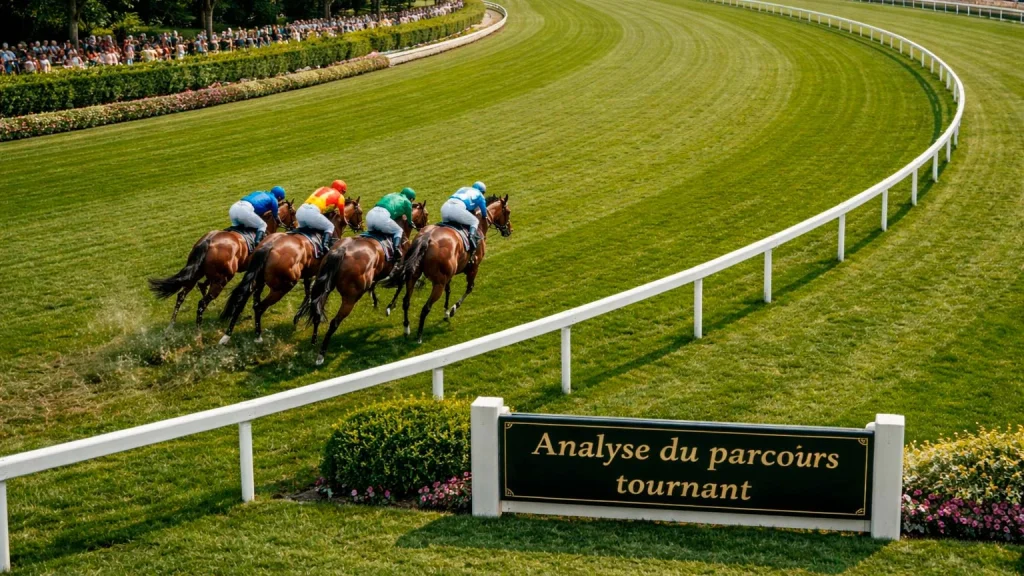
Ascot’s round course hosts middle-distance and staying races that demand different tactical approaches from the straight-course sprints and miles. Races from ten furlongs upward negotiate bends before entering the home straight, introducing considerations of positioning, balance, and the ability to handle turns under pressure. Understanding round course tactics separates bettors who succeed over these distances from those applying straight-course logic where it does not belong.
The round course showcases some of Ascot’s most prestigious races: the Gold Cup, King George VI and Queen Elizabeth Stakes, Prince of Wales’s Stakes, and Champion Stakes. These contests attract elite horses whose stamina and tactical intelligence have been proven across multiple campaigns. Betting effectively requires understanding how the track’s configuration affects these races—and which horse types thrive on Ascot’s particular demands.
Ascot Round Course — More on this topic at ascot betting tips.
Course Layout and Characteristics
Races on the round course begin at various points depending on distance, joining a left-handed triangular circuit that includes sweeping bends and Ascot’s famous uphill finish. The ten-furlong start lies on the round course itself; longer distances begin further back, incorporating more of the track before horses enter the home straight. By the time runners turn for home, positional battles have usually been decided—making the run to the turn critically important.
The camber on Ascot’s bends challenges horses who prefer flat tracks. Running around a curve while the ground falls away requires balance and coordination; horses who sprawl on bends or lose momentum negotiating turns forfeit lengths that are difficult to recover. Bettors should note which runners have proven themselves on left-handed tracks with camber versus those whose experience has come on flatter or right-handed courses.
The home straight climbs relentlessly to the winning post—a stamina test regardless of how the race has been run. Horses who have expended energy battling for position around the turns face additional demands that speedier types find testing. The combination of turns followed by uphill finish favours horses with genuine stamina over those trying to stretch questionable staying credentials.
Ground conditions affect the round course differently than the straight. The turns can develop softer patches after rain, particularly on the inside rail where horses naturally gravitate. Jockeys sometimes angle wide to find better ground, sacrificing the shortest path for superior footing. Watching how ground is riding through the card—especially on earlier round-course races—provides intelligence for later decisions.
Draw Considerations
Draw matters far less on the round course than on the straight. By the time horses have covered the early furlongs and approached the first turn, any initial positional advantage from stall position has typically been neutralised. Jockeys have time to find preferred racing positions regardless of where they started; the race develops around ability and tactics rather than the luck of the draw.
The 2006 reconstruction improved Ascot’s track surface and drainage throughout, benefiting the round course as well as the straight. Historical draw biases—which affected some distance configurations before the rebuild—have been largely eliminated. Bettors analysing round-course races can deprioritise draw in their assessments, focusing instead on form, fitness, and tactical suitability.
Exceptions emerge in very large fields or unusual circumstances. A round-course handicap with twenty runners might see those drawn wide struggling to find position before the first bend; inside draws would save ground and energy. But these situations are rare for middle-distance and staying races, where fields typically number between eight and sixteen. For most round-course races, draw represents noise rather than signal.
What matters instead is racing style and tactical speed. A hold-up horse drawn wide loses little if it can slot in behind the leaders before the first turn; a front-runner drawn wide might need to use energy reaching the rail. Assessing how runners typically race—and whether their style suits the likely pace scenario—proves more predictive than obsessing over stall numbers that will cease to matter after the first quarter mile.
Key Round-Course Races
The Gold Cup exemplifies round-course racing at Ascot: two and a half miles demanding genuine staying stamina, tactical patience, and the ability to produce a finishing effort after nearly four minutes of racing. The race attracts specialists—horses bred and prepared specifically for extreme distances—rather than middle-distance performers stretching their stamina. Form from the Sagaro Stakes, Yorkshire Cup, and previous Gold Cups provides the most relevant evidence.
Aidan O’Brien’s dominance of staying races at Ascot reflects Ballydoyle’s commitment to the division. According to bet365’s historical records, O’Brien has won the Gold Cup nine times—more than any other trainer. His approach to stayers—campaigning them patiently over long careers with the Gold Cup as an annual target—has proven devastatingly effective. Understanding how Ballydoyle prepares its stayers, and which of their entries represent genuine Gold Cup contenders, helps decode fields that often include multiple O’Brien runners.
The King George VI and Queen Elizabeth Stakes tests different attributes over twelve furlongs. Classic winners, proven Group performers, and emerging talents converge in midsummer’s middle-distance championship. The trip requires speed and stamina combined; pure stayers struggle against horses who possess tactical acceleration alongside adequate stamina. Derby form, Eclipse form, and previous King George performances guide assessment.
The Prince of Wales’s Stakes over ten furlongs and Champion Stakes over the same distance attract overlapping populations—horses who have proven themselves around Ascot’s round course at a trip that demands tactical versatility. These races reward horses who travel smoothly through contests before quickening decisively; one-paced types find the combination of turns and uphill finish exposing.
Betting the Round Course
Stamina trumps speed in round-course betting assessments. Horses whose pedigrees suggest they will relish testing trips—staying blood on both sides, proven stamina in the female family—offer more reliability over middle distances and beyond than speedier types whose stamina remains unproven. When in doubt about a horse’s ability to stay Ascot’s round-course distances, favour the runner whose breeding suggests reserves of endurance.
See also UK Betting Industry Statistics.
Tactical positioning into the home turn often decides round-course races. Horses who travel smoothly in prominent positions—close to the leaders without fighting for the lead—find themselves perfectly placed to strike when the race develops. Hold-up horses face the challenge of finding racing room as the field condenses approaching the turn; front-runners risk exhaustion from setting pace throughout the bends.
Course form at Ascot deserves particular weight for round-course races. The track’s specific demands—the camber, the bends, the uphill finish—suit some horses better than others. A horse who has won or placed on Ascot’s round course has demonstrated it handles these challenges; one arriving without previous experience at the track remains unproven regardless of form elsewhere. When choosing between similarly credentialed runners, favour those with proven Ascot round-course credentials.
Jockey experience on the round course adds value. Riders who regularly compete at Ascot understand where to position horses approaching the turns, when to begin finishing efforts up the hill, and how to navigate the specific challenges of each distance configuration. A jockey booking that pairs round-course expertise with a suited horse creates synergies that enhance winning probability beyond what form alone might suggest.
Ground conditions interact with round-course tactics differently than on the straight. Soft ground makes the bends more demanding, as horses must work harder to maintain momentum while turning. Firm ground allows faster cornering but intensifies the uphill finish’s demands on tired legs. Matching selections to expected ground conditions—and understanding how those conditions affect different running styles—refines round-course betting beyond simple form analysis.
