
Ascot Mile Races: Straight Course Betting Guide
 Available in US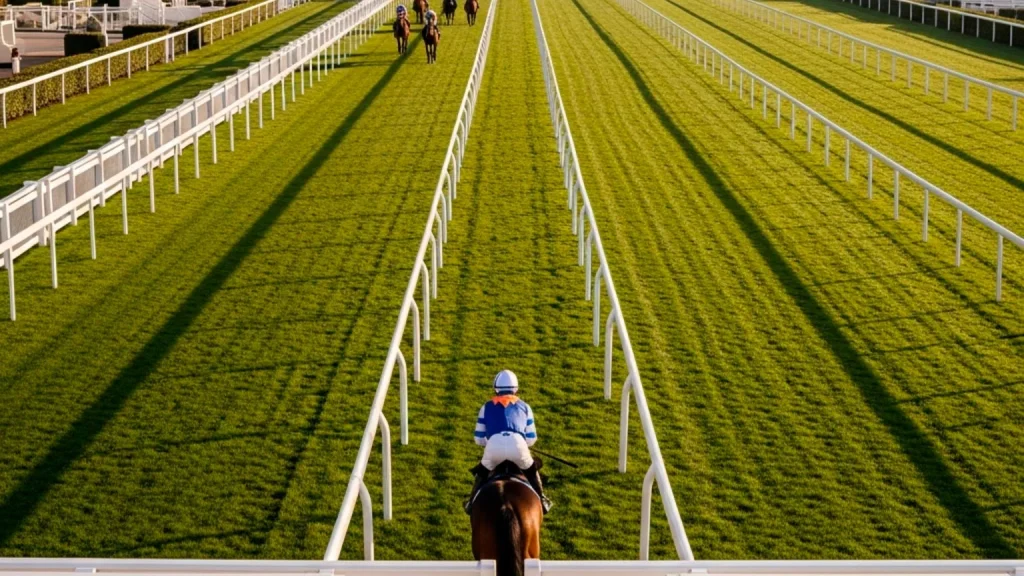
Ascot mile races showcase some of the most tactically intricate flat racing in Britain. The straight mile demands a unique combination of speed and stamina, with horses breaking from stalls at the far end of the course before climbing towards the winning post over a distance that tests both acceleration and endurance. Unlike round-course miles at other tracks, Ascot’s straight configuration eliminates the influence of bends, placing emphasis squarely on pace judgment, positional awareness, and the ability to sustain a finishing effort up the final incline.
For bettors, mile racing at Ascot presents distinct opportunities. The tactical nature of these races creates scenarios where the market favourites can be undone by an unfavourable pace, while value runners find themselves in perfect positions to pounce. Understanding how the straight course rides, which horses thrive on its particular demands, and how to read the pace dynamics of each race separates profitable punters from those simply following the crowd.
Ascot Mile Races — More on this topic at ascot betting tips.
Queen Anne Stakes: The Opening Act
The Queen Anne Stakes opens Royal Ascot every year, a Group 1 mile race that sets the tone for the entire meeting. Run on the straight course, it attracts proven milers who have established their credentials during the spring, making the form relatively solid and the market generally well-informed. This is not a race for speculative punters—winners typically come from the top of the market, with outsiders rarely troubling the principals.
The significance of the Queen Anne extends beyond its position in the calendar. Winning connections enjoy immediate prize money from Ascot’s impressive pool: the track’s total 2025 fund reaches £17.75 million, with Group 1 races commanding substantial individual purses. For trainers, this race provides an opportunity to announce their best miler’s arrival at peak fitness, and the quality of runner it attracts reflects that prestige.
Betting on the Queen Anne requires respect for class. Horses who have contested Classics or won at the highest level elsewhere tend to dominate. Irish challengers, particularly from the Ballydoyle operation of Aidan O’Brien, frequently make the journey, and their form from trials like the Lockinge Stakes at Newbury or the Tattersalls Gold Cup provides crucial intel. The key question is often which Classic form translates best to the demands of Ascot’s straight mile—a question the market sometimes answers imperfectly.
Pay attention to the draw in the Queen Anne, though its influence is limited compared to sprint distances. With typically fewer than fifteen runners, jockeys have time to find their preferred position before the race develops. A horse drawn wide can angle across to the rail within the first furlong without losing significant ground, meaning stall position matters less than running style and tactical placement.
Straight Course Dynamics
Ascot’s straight mile differs fundamentally from similar distances at other tracks. The course runs uphill throughout its final three furlongs, presenting a stamina test that sorts genuine milers from speedsters trying to stretch their range. Horses who travel smoothly through a race but lack a sustained finishing kick often find themselves overhauled in the closing stages, while those with bottom in their pedigree—stayers’ blood mixing with miler speed—tend to excel.
The 2006 reconstruction modernised the drainage and track surface, creating consistent conditions across the width of the course. As analysis from geegeez confirms, the rebuild largely neutralised the low-draw bias that previously characterised straight-course racing at Ascot. This means bettors can focus on form and fitness rather than obsessing over stall positions, though extreme weather can still create pockets of differing ground that savvy observers exploit.
Wind direction affects straight-course races more than round-course contests. A headwind into the home straight makes the finish even more demanding, favouring held-up runners who can save energy in the slipstream before launching their challenge. A tailwind has the opposite effect, assisting front-runners who can build an insurmountable lead while their rivals struggle to close the gap. Weather forecasts that include wind speed and direction merit attention in your pre-race analysis.
The run from the start to the first furlong marker sets the tone for the entire race. If several confirmed front-runners contest the early lead, the resulting pace benefits closers. If no horse wants to lead, the race can become a tactical crawl that turns into a sprint finish over the final three furlongs—a scenario that favours horses with natural speed over those who need a test of stamina to show their best.
Mile Specialist Profiles
Certain trainers consistently produce milers capable of handling Ascot’s demands. John and Thady Gosden’s Clarehaven operation has supplied multiple Queen Anne winners, their horses typically showing the class and tactical versatility that the race demands. Similarly, Charlie Appleby’s Godolphin runners arrive at Ascot with form from Dubai’s World Cup carnival, their spring campaigns carefully designed to peak at the Royal meeting.
Irish raiders deserve particular attention in Ascot’s mile races. Aidan O’Brien’s Ballydoyle operation sends its best milers across the Irish Sea with specific Group 1 targets, and the form from races like the Irish 2000 Guineas provides reliable indicators. O’Brien’s runners at Royal Ascot carry significant expectation—and often significant money—but they do not always start at prohibitive prices. Finding value against a market leader trained at Ballydoyle requires identifying scenarios where the pace or ground might not suit.
Jockey bookings illuminate trainer intentions. When William Buick or Ryan Moore take a particular ride over alternatives, it signals confidence from connections. Conversely, when a stable’s second-choice rider takes the mount on a horse that seemed to be the first string earlier in the season, questions emerge about soundness, fitness, or internal politics. Reading between the lines of jockey bookings—and comparing them to historical patterns—provides edges the raw form figures cannot supply.
Betting Approach for Mile Races
Mile races at Ascot reward punters who prioritise recent form over historical reputation. A horse that sparkled as a three-year-old but has not won for two seasons may retain its rating—and its place at the top of the market—without justifying that position. Meanwhile, progressive types who have risen through the ranks might be underestimated simply because they have not yet competed at the highest level.
See also Ascot Gold Cup Betting.
Course form deserves attention, but do not overweight it. Ascot’s straight mile tests specific attributes, and horses who have handled it before have demonstrated their aptitude. However, plenty of proven milers perform well first time at Ascot, provided they possess the stamina and finishing speed the track demands. Balance course form against recent performance rather than treating it as the primary selection criterion.
Pace scenarios matter more in mile races than the market sometimes reflects. When a race lacks obvious pace, horses who typically lead can find themselves in an unusual tactical situation—leading by default when they would prefer to sit behind a genuine front-runner. Identify these scenarios by examining each runner’s typical racing style, then assess which horses are best equipped to adapt if the race unfolds differently from their comfort zone.
Each-way betting becomes attractive in mile handicaps where fields are competitive and form is compressed. The difference between first and sixth in a quality mile handicap might be fractions of a length, and a horse with proven class can place at a price that represents value even if it cannot quite win. Target prices of 8/1 or longer for each-way plays, and look for horses dropping in class or returning from a break with unexposed potential.
