
Ascot Gold Cup Betting: Stayers Tips and Trends
Best Horse Racing Betting Sites – Bet on Horse Racing in 2026
Loading...
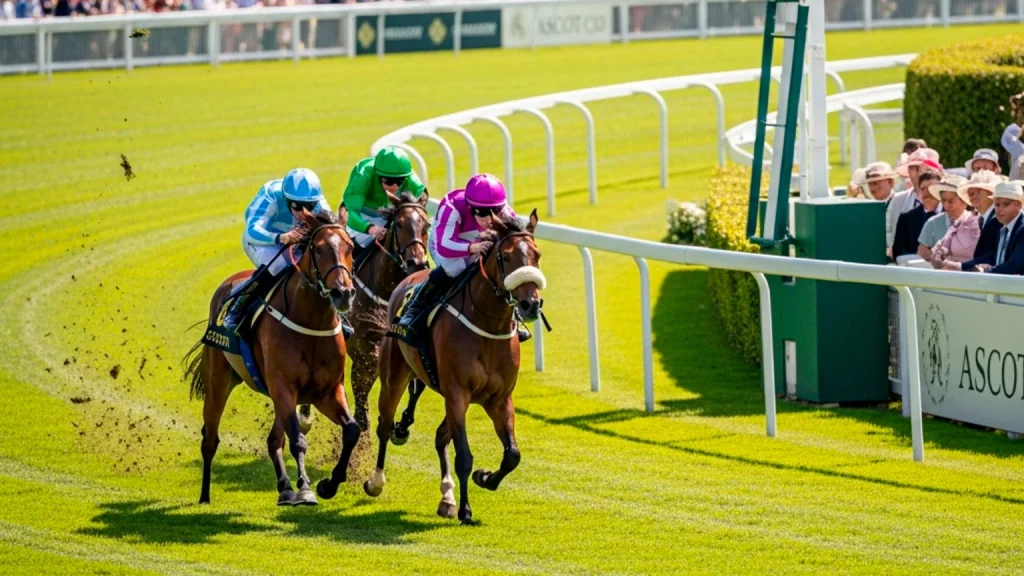
Ascot Gold Cup betting demands a different approach from other Royal Ascot races. Run over two and a half miles on the Thursday of the meeting, this is the ultimate test of stamina in British flat racing—a gruelling examination that exposes weaknesses in pedigree, fitness, and mental fortitude. Horses who lack genuine staying blood simply cannot fake it over this distance, and the form book provides clearer guidance here than in races where pace and position can mask limitations.
The Gold Cup occupies a unique position in the racing calendar. It is the centrepiece of Ladies’ Day, attracting the week’s largest attendance and generating enormous betting turnover. For serious punters, this combination of predictable form—stayers are specialists who run in the same races year after year—and significant liquidity creates conditions where value can be found and meaningful stakes placed. This guide explores the trends, trainers, and tactics that have historically shaped Gold Cup results, helping you navigate one of the season’s most prestigious betting opportunities.
The Gold Cup Race Profile
The Gold Cup was first run in 1807, making it one of the oldest races in the British calendar. Its prestige has attracted some of the greatest stayers in turf history, from Yeats to Stradivarius, horses whose names became synonymous with dominance over extreme distances. The race begins on the round course before horses tackle the final straight uphill to the winning post—a gruelling finish that separates true stayers from those simply hoping to last.
Field sizes typically range from eight to fifteen runners, smaller than the sprint and mile races but large enough to create genuine competition. The smaller fields reflect the scarcity of top-class stayers: horses with the ability to compete over two and a half miles are rare, and those at the elite level rarer still. This scarcity benefits bettors because the same horses reappear in staying races throughout the season, building a reliable form picture.
Trainer dominance has shaped recent Gold Cup history. Aidan O’Brien’s Ballydoyle operation has won the Gold Cup nine times, more than any other trainer in history. O’Brien’s approach to the staying division—campaigning horses patiently over long careers with the Gold Cup as an annual target—has proven devastatingly effective. Understanding how Ballydoyle prepares its stayers, and which of their entries represent genuine Gold Cup contenders versus merely making up the numbers, is essential for successful betting.
The race offers significant prize money, befitting its status as the week’s feature contest. Ascot’s commitment to rewarding excellence means the Gold Cup attracts international challengers from France, Germany, and occasionally further afield, adding complexity to form analysis but also increasing the pool of potential value selections.
Pedigree Analysis for Stayers
Pedigree matters more in the Gold Cup than in virtually any other flat race. Horses cannot stay two and a half miles on class alone—they need stamina in their bloodlines, often going back several generations. Certain sire lines dominate staying races: Galileo’s sons and daughters have excelled, while descendants of Sadler’s Wells continue to appear in Gold Cup fields decades after his influence first emerged.
When assessing pedigree, look beyond the immediate sire and dam to the broader family. A horse by a miler out of a sprint mare might still stay the Gold Cup trip if further back the family shows genuine stamina. Conversely, breeding that looks stoutly bred on paper sometimes fails to deliver the required staying power when tested over the full distance. The proof is in the racing: has the horse already demonstrated it can stay beyond two miles? If not, proceed with caution.
European stayers often carry more reliable staying pedigrees than their British counterparts. French training methods traditionally emphasise stamina, and horses from yards like André Fabre’s have historically performed well when stepping up to extreme distances. German raiders also merit respect: their domestic Group 1 staying races produce tough, genuine horses who thrive on the demands of the Gold Cup.
Avoid horses whose form over shorter distances suggests they are class acts trying to stretch their stamina. The Gold Cup will expose them. The best candidates have already proven they stay at least two miles in competitive company, with form that suggests the extra four furlongs will suit rather than stretch them.
Trainer Dominance and O’Brien’s Legacy
Understanding trainer patterns provides significant edge in Gold Cup betting. Aidan O’Brien’s 91 Royal Ascot victories across all races reflect his operation’s scale and quality, but his particular dominance of the staying division deserves special attention. Ballydoyle typically enters multiple runners in the Gold Cup, making it essential to identify which represents their first string and which are supporting entries.
Felicity Barnard, Ascot’s CEO, noted the track’s record success when announcing financial results: “We were delighted to see continued revenue growth in 2024, reaching record levels of more than £113.1m.” Her remarks, reported in TDN’s coverage of Ascot’s 2024 financials, underscore the meeting’s importance to all participants—including trainers seeking to cement legacies through victories in prestige races like the Gold Cup.
Beyond O’Brien, certain trainers specialise in staying races and merit particular attention. Sir Mark Prescott has historically produced stayers capable of progressing rapidly through the ranks, while John and Thady Gosden have supplied Gold Cup winners from their Clarehaven operation. Each trainer approaches the staying division differently: some target the race specifically with fresh horses, while others use it as part of a longer staying campaign that includes the Goodwood Cup and Doncaster Cup.
Trainer form in the weeks before Royal Ascot also matters. A yard sending winners to the track—even in lesser races—demonstrates that the horses are in good order and the training programme is working. Conversely, a quiet spring from a usually productive trainer might suggest problems that could affect their Gold Cup chances.
Gold Cup Betting Strategy
Ante-post betting often offers the best value in the Gold Cup because the likely field is identifiable months in advance. Genuine stayers cannot hide—they must run in trial races like the Sagaro Stakes at Ascot in early May or the Yorkshire Cup at York. These trials provide form evidence and allow bettors to assess each horse’s wellbeing before committing stakes.
The form from staying trials deserves careful interpretation. A horse that wins a minor staying race impressively might still be found wanting against the Gold Cup principals. Focus on how winners achieve their victories: do they have more to give at the finish, or are they all out? Do they travel strongly through the race, or do they need constant urging from the saddle? Horses who travel easily over two miles often stay the extra half-mile of the Gold Cup comfortably.
Weather and ground conditions affect Gold Cup outcomes more than shorter races. The race is run in mid-June, when British weather can vary from heatwave to monsoon. Soft ground makes the stamina test even more severe, while fast ground can turn the race into a test of tactical speed in the final furlong. Match your selections to the likely conditions, and be prepared to adjust if forecasts change close to race day.
Each-way betting makes sense at prices of 8/1 or longer, given the competitive nature of most Gold Cup fields and the tendency for proven stayers to fill the places. The same horses appear in staying races repeatedly, which means you can assess their consistency with confidence. A horse that has placed in multiple Group 1 staying races is likely to hit the frame again, even if winning is beyond it.