
Ascot Pedigree Analysis: Breeding for the Track
Best Horse Racing Betting Sites – Bet on Horse Racing in 2026
Loading...
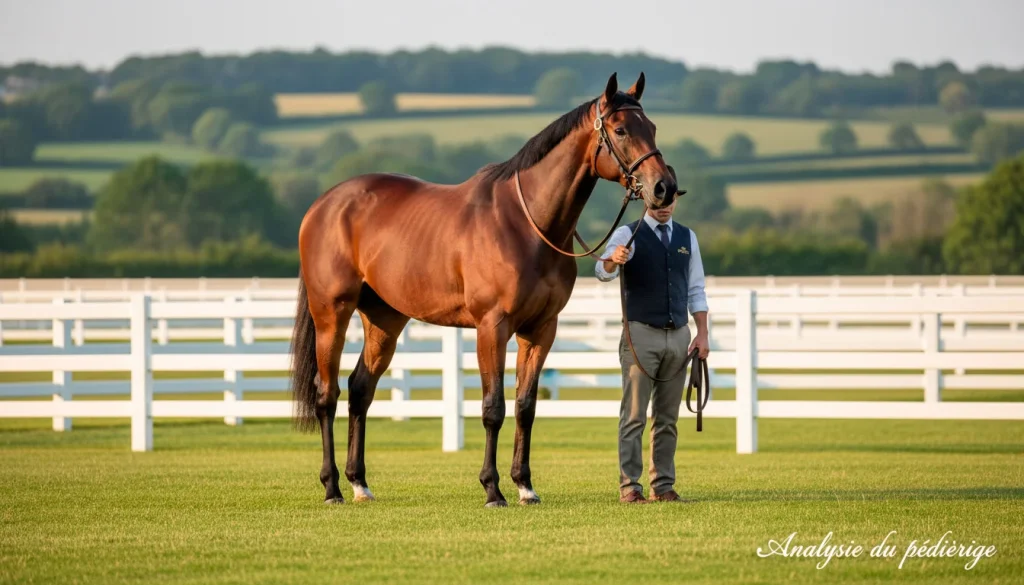
Ascot pedigree analysis offers bettors an edge when form evidence is limited or ambiguous. Breeding provides a blueprint for performance—indicating which distances a horse might handle, what ground conditions should suit, and whether the racecourse’s demands align with genetic potential. Reading the bloodlines reveals information that form figures alone cannot supply, particularly for horses making debuts, stepping up in trip, or encountering new conditions for the first time.
Pedigree matters most when other evidence is scarce. For established horses with lengthy form profiles, racing results trump breeding assumptions; what a horse has done matters more than what its pedigree suggests it should do. But for debutants at Royal Ascot’s juvenile races, for stayers attempting Gold Cup distances without prior evidence at the trip, or for horses encountering soft ground they have never faced—pedigree offers predictive value that careful analysis can exploit.
Sire Statistics at Ascot
Certain sires produce offspring that excel at Ascot more consistently than others. These patterns reflect both the sire’s genetic influence and the types of races his progeny typically contest. Speed sires whose offspring target sprints appear in King’s Stand and Diamond Jubilee Stakes fields; stamina influences show in Gold Cup contenders. Tracking which sires produce Ascot winners—and at what distances—builds a reference database for future selections.
The investment in British breeding demonstrates the industry’s commitment to producing quality racehorses. According to the HBLB Annual Report, the Great British Bonus scheme distributed £3.46 million in 2024, rewarding owners of British-bred horses who win at certain prize levels. This incentive encourages breeders to produce horses capable of competing at prestigious tracks like Ascot, where bonus payments supplement already attractive prize money.
Strike rates reveal more than raw winner counts. A sire producing two Ascot winners from fifty runners has a lower strike rate than one producing two from twenty. When comparing sires, calculate the percentage of runners that have won or placed rather than simply noting totals. Some sires produce occasional stars amid many moderate offspring; others produce consistent performers whose average ability exceeds expectations. Both patterns offer betting angles when understood correctly.
Sire performance varies by distance and ground. A stallion whose sprinting progeny excel on fast ground might see his staying offspring struggle in soft-ground Gold Cups. These variations reflect the different genetic packages that sires transmit and the interaction between those packages and racing conditions. Do not assume universal suitability; analyse sire performance filtered by the specific conditions your selection will face.
The Dam’s Influence
Dams contribute genetic material that shapes stamina, constitution, and attitude—traits sometimes underweighted in favour of fashionable sire lines. A horse by a speed sire out of a mare whose family stays middle distances might possess more stamina than the sire alone suggests. Conversely, a staying pedigree on the sire’s side might be undermined by sprint-bred maternal influences. Reading both sides of the pedigree provides fuller information than focusing solely on stallions.
Understanding British racing’s context helps frame pedigree analysis. As Nick Smith, Ascot’s Director of Racing, noted when discussing industry challenges: “We are pleased to be delivering these prize money increases in 2024 against a backdrop of uncertainty and an unprecedented number of negative headwinds for the industry.” His candid acknowledgment, reported by Paulick Report, reflects pressures that affect breeding decisions—owners and breeders targeting valuable prizes like those at Ascot despite broader market difficulties.
Dam’s race record and family patterns offer predictive value. Mares who raced successfully at certain distances or on particular ground conditions often produce offspring suited to similar challenges. Check whether the dam won beyond a mile if assessing a potential stayer; note if she handled soft ground if that is today’s likely condition. These details are accessible through form databases and breeding references, requiring attention rather than specialist knowledge.
Full and half-siblings provide direct evidence of family ability. If a horse’s siblings have won at Ascot, that pattern suggests the family handles the track’s demands. If siblings have failed despite quality racing opportunities, questions arise about the family’s suitability. Sibling form does not guarantee individual performance—genetic variation ensures some family members outperform others—but patterns across multiple siblings carry weight.
Distance and Ground Indicators
Pedigree helps predict optimal distance, particularly for horses whose racing careers have not yet tested their limits. Speed-oriented sires whose progeny typically excel over sprint distances suggest their offspring should be backed in shorter races; stamina influences—sires whose runners win over middle distances and beyond—point toward longer trips. These tendencies are statistical rather than absolute; individual horses can defy breeding assumptions, but probability favours alignment.
The depth of quality in British racing intensifies competition where pedigree advantages might matter. The BHA’s 2024 Racing Report noted that the number of Flat horses rated 85 or higher grew by 3.5 percent, from 1,983 to 2,052. This increase means horses face stronger opposition across all levels—including at Ascot, where field quality has risen alongside prize money. In more competitive environments, marginal advantages from pedigree suitability might determine outcomes.
Ground suitability often transmits through pedigrees more reliably than distance preferences. Certain sire lines consistently produce offspring who handle soft ground—Sadler’s Wells derivatives, for example, often act with cut. Others produce horses best suited to faster surfaces. When ground conditions change unexpectedly—Royal Ascot week can shift from Good to Soft with summer rain—pedigree provides guidance for horses unproven on the going that develops.
Dosage profiles and stamina indexes quantify pedigree tendencies. These tools assign numerical values to pedigree components, producing scores that indicate speed versus stamina balance. A horse with a high dosage index possesses proportionately more speed influences; a low index suggests staying blood dominates. These metrics are imperfect—genetic interaction is more complex than simple addition—but provide rough guidance when comparing horses with limited form.
Practical Pedigree Application
Debutants at Royal Ascot represent the clearest case for pedigree reliance. Horses running in juvenile races without prior form leave bettors dependent on trainer reputation, stable reports, and breeding. In these circumstances, pedigree analysis becomes essential. Check whether the sire produces early-maturing types; assess whether the dam’s family shows juvenile precocity; note if siblings have won at two. These data points inform selections when race results cannot.
Horses stepping up in trip invite pedigree scrutiny. A miler attempting ten furlongs for the first time lacks form evidence at the new distance. Pedigree helps answer whether the horse is likely to stay. If the sire’s progeny typically excel over extended trips, and the dam’s family includes winners beyond a mile, the step up looks viable. If both sides of the pedigree suggest speed rather than stamina, scepticism is warranted regardless of how well the horse has performed at shorter distances.
Ground changes during meetings create opportunities for pedigree application. If rain softens Ascot’s ground between day one and day three, horses whose pedigrees suggest soft-ground ability gain an edge over those bred for faster conditions. This advantage appears before form evidence accumulates—allowing bettors who read pedigrees to identify suitable types before markets adjust fully.
Balance pedigree insights against other evidence rather than over-relying on breeding. Form always trumps theory: a horse that has proven it stays twelve furlongs does not need pedigree validation, and one that has failed over a distance cannot be redeemed by breeding that suggested success. Use pedigree to fill gaps in knowledge, inform probability assessments, and identify situations where breeding suggests divergence from market assumptions. Do not use it to override clear form evidence or to construct elaborate theories that racing results do not support.