
Ascot Trainer Statistics and Jockey Records: The Numbers Behind the Winners
Best Horse Racing Betting Sites – Bet on Horse Racing in 2026
Loading...
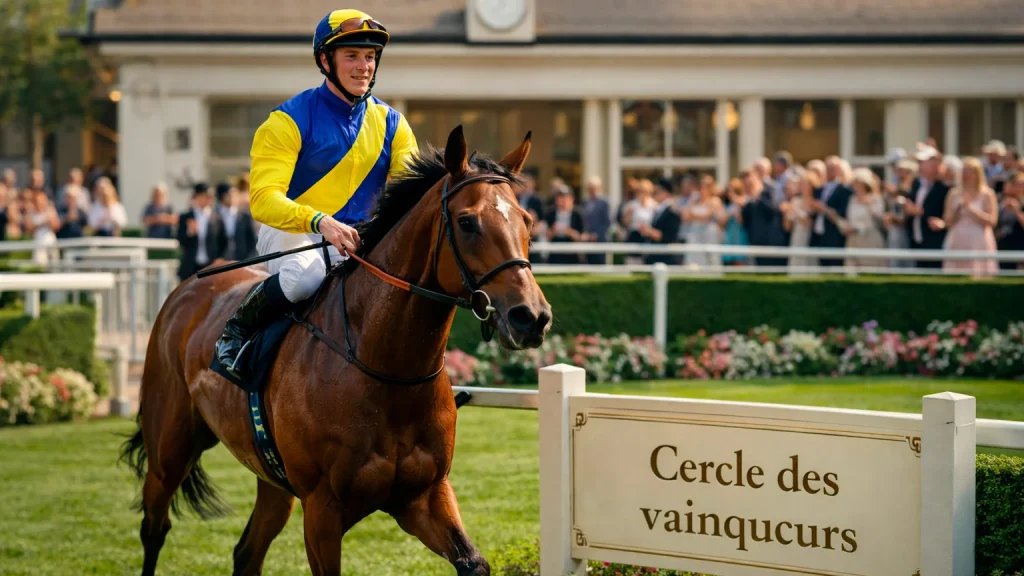
Ascot trainer statistics reveal patterns that casual bettors consistently overlook. While the public focuses on individual horses, informed punters recognise that trainers and jockeys shape results as reliably as form figures and going preferences. Understanding who excels at Ascot—and why—provides genuine betting edge.
The numbers behind the winners tell stories that reputation alone cannot. Certain trainers target specific races with methodical precision. Certain jockeys demonstrate course familiarity that translates into measurably better results. And certain partnerships between trainer and rider produce win rates that exceed what either achieves independently. This is not sentiment; it is statistical reality.
What makes Ascot distinctive is its concentration of quality. The track hosts more Group 1 races than any other British venue, attracting elite trainers and their best horses throughout the flat season. Royal Ascot alone features eight Group 1 contests, creating a proving ground where the finest operators separate themselves from the competent. The data generated across these high-quality fields carries more predictive weight than statistics from weaker meetings.
This analysis examines the leading trainers and jockeys at Ascot through a betting lens. The goal is practical: identifying which names deserve elevated respect, which partnerships warrant attention, and how to incorporate these factors into race-by-race assessment. Data over reputation, patterns over perception.
Why Trainer Statistics Matter for Your Bets
Every racehorse arrives at Ascot shaped by its trainer’s methods. The feeding regime, training schedules, recovery protocols, race targeting—these invisible inputs manifest in the visible output of race-day performance. Trainers develop systematic approaches that produce consistent outcomes, and these patterns become identifiable through statistical analysis.
Course specialisation represents the clearest pattern. Some trainers excel at Ascot while underperforming elsewhere; others struggle at the track despite strong overall records. This isn’t randomness—it reflects how different training methods align with Ascot’s specific demands. The undulating course, the championship-quality opposition, the unique atmosphere of major meetings all interact with training approaches in predictable ways.
Race targeting adds another layer. Elite trainers don’t enter horses randomly; they identify targets months in advance and build preparation around specific objectives. Knowing which races a trainer prioritises—and their historical success in those races—helps bettors anticipate where genuine chances emerge. A horse entered casually differs fundamentally from one the yard has targeted all season.
Seasonal patterns matter too. Some trainers produce horses ready to win at the season’s start; others improve horses progressively, peaking in autumn. At Ascot, where meetings span from April through October with the summer festival as centrepiece, recognising these rhythms helps identify when a trainer’s runners warrant serious consideration.
The betting markets partially incorporate trainer form, but imperfectly. Name recognition often trumps recent evidence—a struggling yard’s runner might attract support based on historical reputation while an in-form trainer’s selection from a lower-profile stable drifts. These inefficiencies create value for punters who weight current trainer statistics above legacy perception.
Aidan O’Brien: The Record-Breaking Force
No trainer dominates Ascot like Aidan O’Brien. His 91 Royal Ascot victories constitute an all-time record, achieved across a range of race types that demonstrates the extraordinary depth of the Ballydoyle operation. O’Brien has claimed the meeting’s leading trainer title thirteen times, a measure of sustained excellence that no contemporary rival approaches.
The race-by-race breakdown reveals strategic precision. O’Brien has won the Gold Cup nine times, the Coventry Stakes ten times, and the St James’s Palace Stakes nine times. These aren’t accidents of volume but reflections of deliberate targeting. Ballydoyle identifies races where its horses hold structural advantages and returns year after year with contenders capable of winning them.
The Coventry Stakes serves as the clearest example. This Group 2 for two-year-olds has become an O’Brien fiefdom, with the trainer exploiting early-season readiness that the Ballydoyle system produces. While British trainers often bring two-year-olds to peak fitness later in summer, O’Brien’s juveniles regularly arrive at Royal Ascot sharper than their opposition. The resulting edge shows in ten wins from a race that historically produces subsequent champions.
The Gold Cup demonstrates different strengths: the ability to prepare genuine stayers for a test of stamina that demands meticulous conditioning. Yeats won this race four consecutive times for O’Brien, and subsequent winners have maintained the Ballydoyle stranglehold on staying royalty. When O’Brien fields a genuine Gold Cup contender, the form book and statistical record both demand respect.
For bettors, the O’Brien challenge is nuanced. His runners attract heavy support, compressing odds to levels where value becomes scarce. Blindly backing every Ballydoyle entry produces poor long-term returns despite the wins. The skill lies in identifying which O’Brien runners represent genuine first-choice intentions—typically signalled by Ryan Moore’s booking—and recognising when multiple runners from the yard split the vote. O’Brien dominance is real, but profitable engagement requires selectivity.
The methodology that produces these results extends beyond any single technique. Ballydoyle operates at a scale that permits specialisation: separate gallops for different training needs, dedicated staff for distinct horse types, a breeding programme that supplies a continuous flow of high-quality material. This infrastructure advantage means O’Brien can target the breadth of the Ascot programme simultaneously, attacking two-year-old races, Classic trials, and staying events with purpose-prepared contenders.
John and Thady Gosden: The Clarehaven Method
The Gosden operation at Clarehaven Stables offers the most consistent British challenge to Ballydoyle’s Ascot supremacy. At Royal Ascot 2025, John and Thady Gosden secured the leading trainer title with five winners, edging O’Brien on count-back in a result that confirmed their standing among the elite. This wasn’t an upset; it was the expected output of a programme that prepares high-class horses for precisely these targets.
The Gosden approach differs philosophically from Ballydoyle’s volume strategy. Where O’Brien might send multiple runners to major races, the Gosdens typically concentrate firepower, arriving with fewer horses but higher individual win expectations. This selectivity produces impressive strike rates when their first choices line up at Ascot, though it also means fewer opportunities to find value through yard support of secondary runners.
The Newmarket base provides specific advantages for Ascot preparation. The Limekilns gallops and other Newmarket training grounds offer terrain that simulates Ascot’s undulations, allowing horses to encounter similar physical demands before race day. This familiarity advantage compounds over a career—the Gosdens frequently improve horses for Ascot rather than finding the track a stumbling block.
Middle-distance horses form the Gosden speciality. The yard excels with horses contesting races between a mile and a mile-and-a-half, the sweet spot of the Ascot programme that includes the Prince of Wales’s Stakes, Hardwicke Stakes, and numerous other valuable prizes. When a Gosden-trained horse lines up for these middle-distance features, the combination of race targeting and track familiarity warrants serious consideration.
The partnership between father and son brings complementary strengths. John Gosden’s decades of experience navigating championship racing combines with Thady’s contemporary perspective on training methods and horse management. The resulting operation balances tradition with innovation—respecting what has worked historically while incorporating advances in equine science and conditioning.
For betting purposes, the Gosdens’ Ascot record demands respect when their horses are properly aimed. First-time runners at the track occasionally need the experience, but returning horses with course form typically justify confidence. The key statistical indicator is whether a horse has been targeted for a specific race—evident from entry patterns and public statements—rather than entered speculatively.
Emerging Trainers Worth Following
Beyond the established powers, several trainers have developed Ascot specialities that create betting opportunities. These names may not command the same market respect as O’Brien or Gosden, but their records at the track merit attention—and their runners often start at more attractive prices.
Charlie Appleby and the Godolphin operation bring substantial resources to Ascot, though without the individual race dominance that characterises O’Brien. Appleby’s strength lies in quality across the card rather than targeted supremacy in specific events. His runners consistently perform at the track, with a strike rate that justifies inclusion in any shortlist. The Godolphin blue silks, combined with William Buick’s riding, signal a combination that translates strong form into Ascot results.
William Haggas has quietly assembled an impressive Ascot record, particularly with fillies and mares. His Newmarket operation prepares horses for the track with obvious effectiveness, producing course-and-distance winners who handle Ascot’s demands. Haggas runners that arrive with relevant form deserve closer inspection than their market position sometimes suggests.
Karl Burke represents the Northern challenge, based in Yorkshire but increasingly effective at the major southern meetings. Burke’s sprinters have proven especially adept at Ascot, winning feature races that establish the yard among the elite sprint operations. His understanding of pace dynamics in big-field sprints translates into results when his horses face the demands of Royal Ascot handicaps.
Roger Varian completes the tier of trainers whose Ascot records exceed their general market perception. Based at Carlburg Stables in Newmarket, Varian produces horses capable of winning at the highest level, including Group 1 events at the Royal Meeting. His horses often offer value precisely because the market reserves its strongest confidence for the more celebrated names.
The common thread among these emerging forces is competence rather than dominance. None regularly beats O’Brien or Gosden when those yards field their primary hopes. But in races where the superpowers are absent or distracted, these trainers provide genuine contenders at prices that reflect betting opportunity rather than mere participation.
Ryan Moore: The Dominant Jockey
Ryan Moore’s 85 Royal Ascot victories place him second only to Lester Piggott’s 116 in the all-time standings—a record that may fall if Moore maintains his current trajectory. He has claimed the meeting’s leading jockey title eleven times, a measure of sustained excellence that no contemporary rival approaches. The Moore dominance is not perception but documented fact.
What separates Moore from capable rivals extends beyond raw numbers. His tactical intelligence, particularly in reading pace scenarios and positioning horses for late runs, produces results in races where marginal decisions determine outcomes. At Ascot, where championship fields create genuine tactical puzzles, this intelligence compounds the advantage of riding better horses.
The O’Brien partnership supplies many of Moore’s Ascot winners, but the jockey’s excellence transcends any single association. Moore rides for other trainers at the Royal Meeting, consistently delivering results that confirm his skill rather than merely reflecting access to superior material. His booking by any trainer signals serious intent, a market indicator worth tracking.
Ascot Racecourse itself recognises the connection between elite performers and commercial success. “We were delighted to see continued revenue growth in 2024, reaching record levels of more than £113.1m,” noted Felicity Barnard, CEO of Ascot Racecourse, in reporting the track’s financial results. This prosperity reflects the appeal of watching performers like Moore compete at the highest level—stars that draw crowds and drive betting interest.
For bettors, Moore’s riding creates both opportunity and challenge. The opportunity lies in recognising when his tactical advantages apply most strongly: big-field handicaps where positioning matters, tactical Group races where pace judgement determines placings, and any race where the outcome will be decided by fine margins. The challenge is price—Moore’s mounts attract support, sometimes beyond levels justified by their actual winning chances.
The statistical approach to Moore betting focuses on situations where his skills add measurable value. A moderate horse ridden by Moore gains genuine advantage; an obvious class act gains less incremental benefit because it would likely win regardless of rider. The edge lies in marginal cases where Moore’s presence tips probabilities sufficiently to create value at available odds.
Top Jockeys by the Numbers
Below Moore, several jockeys demonstrate consistent Ascot excellence that warrants betting attention. These riders may lack Moore’s headline dominance, but their track records produce reliable returns for punters who incorporate jockey form into selections.
William Buick rides primarily for Godolphin and carries that organisation’s powerful support, but his skill extends beyond access to well-bred horses. Buick’s understanding of Ascot’s demands—the timing of challenges, the management of pace, the exploitation of track knowledge—produces a strike rate that justifies market confidence. When Buick is booked for a serious Godolphin contender, the combination merits respect.
Tom Marquand has emerged as a jockey whose skills translate effectively at championship meetings. His association with multiple top yards ensures quality mounts, but Marquand adds value through intelligent race-riding that maximises each horse’s chance. His Ascot record, while shorter than the established names, shows the upward trajectory of a rider reaching peak effectiveness.
Oisin Murphy’s Ascot record demonstrates what natural talent combined with professional application produces. Murphy’s style suits the track’s demands, and his relationships with multiple powerful stables ensure opportunities in quality races. The statistical case for Murphy at Ascot rests on genuine performance, not merely opportunity—his conversion rate from chances to wins exceeds expectations.
Frankie Dettori, though now retired from British racing, left an Ascot legacy that contextualises current competition. Dettori’s 81 Royal Ascot winners place him third in the all-time standings, behind only Piggott and Moore. His prolonged excellence set standards that current jockeys chase, and his partnership with Godolphin produced some of the meeting’s most memorable moments.
The practical application for bettors involves recognising when jockey booking signals information. A switch to a stronger jockey suggests confidence; retention of a capable rider indicates satisfaction with partnership. Jockey changes, particularly late switches, can reveal yard thinking that influences betting assessment. The numbers provide baseline expectation; the specific bookings add contextual intelligence.
Winning Partnerships: Trainer-Jockey Combinations
Certain trainer-jockey partnerships produce results at Ascot that exceed what either achieves independently. These combinations deserve recognition as distinct betting factors, their synergy creating edge beyond the simple sum of trainer skill and jockey ability.
The O’Brien-Moore axis stands as the definitive modern partnership. Their combined record at Royal Ascot dominates the meeting’s history, with the Ballydoyle-Moore combination producing winners across race types. When O’Brien fields multiple runners, Moore’s booking typically identifies the stable’s first choice—information worth having when assessing chances. The partnership’s longevity has produced mutual understanding that translates into marginal gains in tactical execution.
Charlie Appleby and William Buick form Godolphin’s primary combination, and their Ascot record reflects both quality horses and effective partnership. Buick understands Appleby’s training methods, recognises how horses have been prepared, and rides accordingly. This familiarity advantage compounds across meetings, producing results that justify treating the combination as a unified entity rather than separate factors.
The Gosden operation has historically partnered with Frankie Dettori, though recent seasons have seen broader jockey use. Whatever specific rider carries the Gosden hopes, the yard’s preference typically signals genuine intention. When a leading jockey commits to a Gosden runner at the expense of other options, that commitment reflects insider confidence worth weighting.
William Haggas and Tom Marquand have developed into an effective partnership, particularly with fillies and mares. Marquand’s style suits horses prepared by the Haggas system, and their combined results at Ascot demonstrate compatibility that creates betting relevance. The partnership’s strength lies in consistent performance rather than headline dominance—the kind of reliable output that builds long-term returns.
For bettors, partnership assessment involves recognising both positive and negative signals. A proven combination reuniting suggests confidence; a jockey switch away from a successful partnership raises questions worth investigating. The market partially incorporates this information, but not always efficiently—particularly when circumstances create unusual booking patterns that informed punters can interpret more accurately than casual observers.
Ascot Specialists: Course-Specific Excellence
Some trainers and jockeys perform measurably better at Ascot than their overall records would predict. Identifying these specialists provides betting edge precisely because the market tends to weight general form equally across tracks, missing the course-specific advantages certain operators possess.
The phenomenon appears most clearly in trainers whose Ascot strike rates exceed their national averages. These discrepancies might reflect training methods that suit Ascot’s demands, familiarity with the track’s quirks, or simple affinity that translates into results. Whatever the cause, the effect is statistical and exploitable: horses trained by Ascot specialists outperform market expectations more frequently than random chance would predict.
Jockey specialists demonstrate similar patterns. Riders who navigate Ascot’s undulations confidently, who understand where to position horses for optimal final efforts, and who manage the championship-meeting atmosphere without losing tactical clarity all gain advantages that compound over multiple rides. The numbers identify these riders through win rates and place percentages that diverge from their performances elsewhere.
The practical challenge is distinguishing genuine specialism from statistical noise. A trainer with three winners from six Ascot runners might be a specialist, or might simply have experienced favourable variance. Meaningful patterns require volume—dozens of runners over multiple seasons, with consistent outperformance against expectations. The leading yards meet this threshold; smaller operations require cautious interpretation.
Course form itself provides the clearest specialist signal. Horses that have won or placed at Ascot demonstrate proven ability to handle the track, regardless of trainer or jockey. This course form, combined with trainer or jockey specialist status, compounds into betting propositions worth serious consideration. The market recognises obvious course specialists but often underweights the combination of course form and trainer/jockey track preference.
Track-specific statistical patterns reveal insights invisible to those who assess races without systematic attention to course performance. Specialists exist; identifying them through data analysis rather than reputation provides edge that persists across seasons.
Applying Statistics to Your Betting
Trainer and jockey statistics become useful when integrated into broader race assessment rather than applied in isolation. No single factor determines race outcomes, but the patterns identified in this analysis deserve weight proportional to their predictive reliability.
The hierarchy is straightforward. O’Brien and Moore demand respect when their primary runners compete; backing against them without cause courts disaster. The Gosdens similarly require attention when targeting specific races. These established powers set the baseline against which other runners should be assessed.
Beyond the headline names, the statistical approach involves systematic incorporation of trainer and jockey form into every race analysis. Check recent results: Is the trainer currently producing winners at expected rates? Is the jockey riding confidently? These form indicators modify expectations based on historical records, capturing hot and cold streaks that affect near-term performance.
Partnership assessment adds another layer. The O’Brien-Moore combination carries weight beyond what either contributes individually. Similar logic applies to other proven partnerships. When established combinations unite, that unity itself becomes a positive factor; when partnerships break, the separation warrants investigation.
Course specialism requires dedicated tracking. Over multiple seasons, identify which trainers and jockeys outperform at Ascot relative to their general records. These specialists may offer value precisely because the market fails to weight track-specific excellence appropriately. Maintaining a personal database of Ascot performance enables this analysis with precision unavailable from general commentary.
The final integration involves calibrating how heavily to weight trainer and jockey factors against other considerations. In small fields with exposed form, these factors matter more—the tactical aspects of riding and the targeting by trainers influence outcomes more decisively. In large-field handicaps, they matter less, subsumed by the broader difficulty of prediction in competitive races.
Statistical patterns provide guidance, not guarantees. Applied systematically alongside form analysis, course assessment, and going evaluation, trainer and jockey data contributes genuine edge to the serious punter’s toolkit. The discipline lies in consistent application across every race, building returns through marginal advantages that compound over a season’s betting.