
British Champions Day Betting Tips and Preview
Best Horse Racing Betting Sites – Bet on Horse Racing in 2026
Loading...
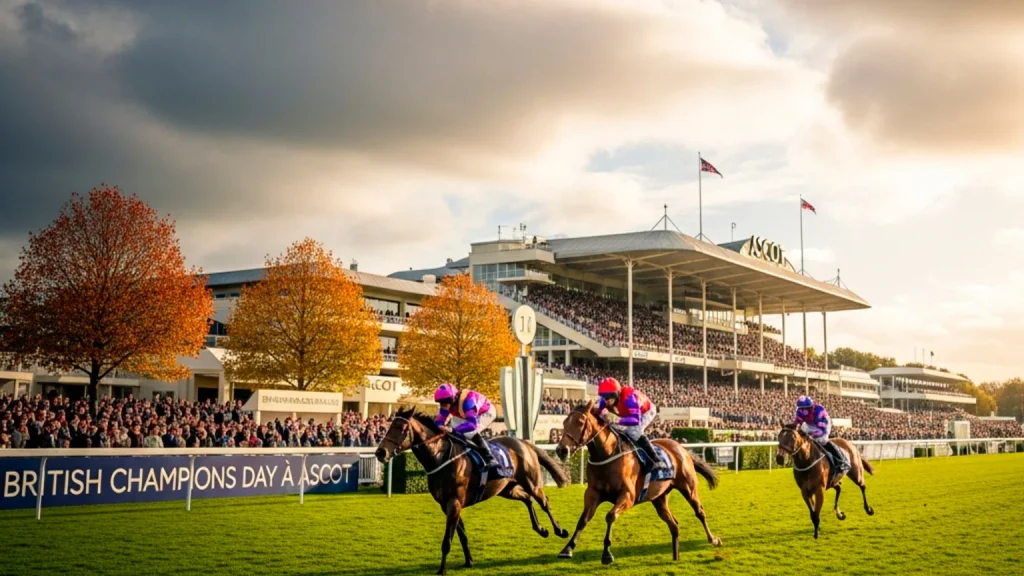
British Champions Day betting presents the season’s final opportunity to back elite Flat horses at Ascot. Held on the third Saturday of October, this single-day fixture concentrates five Group races—including three Group 1 contests—into one afternoon, creating the richest day of racing in Britain. The timing matters: horses arrive at the end of long campaigns, some peaked perfectly for their seasonal finale, others showing signs of fatigue after months of competition. Reading this end-of-season form separates winning bets from losers.
The meeting’s significance draws the best horses from across Europe. Arc weekend contenders often run on to Champions Day, bringing Longchamp form to Ascot turf. Irish raiders target the valuable QIPCO races. British trainers aim their stars at the meeting from early in the campaign, plotting paths that culminate here. For bettors, this convergence offers both opportunity and challenge: deep fields provide value, but integrating form from different countries and surfaces demands careful analysis.
The Champions Day Race Card
Five pattern races headline Champions Day, with prize money reflecting the meeting’s status. The Queen Elizabeth II Stakes over one mile headlines the programme, attracting the season’s best milers for a Group 1 clash worth substantial purse money. The Champion Stakes extends the distance to ten furlongs, testing middle-distance performers in a race that often attracts Arc horses seeking to sign off with a British Group 1. The Long Distance Cup completes the Group 1 trio, asking stayers to race two miles at the end of a demanding season.
Ascot’s commitment to prize money creates genuinely competitive fields. The track’s total 2025 fund reaches a record £17.75 million, with significant allocation to Champions Day. These purses attract international raiders who might otherwise skip the trip, ensuring that the meeting’s quality matches its prestige. For bettors, the depth of competition means fewer uncompetitive runners and more value opportunities in markets where several horses have genuine claims.
The Sprint Stakes over six furlongs showcases the fastest horses over the minimum trip, while the Fillies & Mares Stakes provides a Group 1 opportunity for older female performers. Both races draw specialists who have campaigned over these distances throughout the season, their preferences and limitations well-documented by the time October arrives. Reading their campaigns—where they excelled, where they struggled, and how they handle autumn ground—shapes sensible selections.
Supporting races complete a card that offers betting opportunities across all levels. Handicaps attract competitive fields, while conditions races provide chances for progressive types to close their seasons with victories. The full afternoon features seven or eight races, enough to reward patient punters who find value without requiring action on every event.
Reading End-of-Season Form
Horses arrive at Champions Day with varying degrees of freshness. Some trainers campaign their stars lightly, protecting them for the season’s climax; others run frequently, building fitness through competition. Distinguishing between horses that have been conserved and those that have been emptied by long campaigns requires attention to both race frequency and the intensity of those efforts. A horse that contested Group 1 races monthly since June faces a different challenge than one making only its third start of the season.
Industry data illustrates the impact of campaign length on performance. The BHA’s 2024 Racing Report notes that the number of Jump horses rated 130 or higher fell by 9 percent, from 787 to 716. While this statistic relates to Jump racing, it reflects a broader pattern: maintaining elite form over extended periods is difficult. Flat horses face similar challenges; those asked to perform at the highest level repeatedly throughout the season may not reproduce their best at its end.
The candid assessment of HBLB Chief Executive Alan Delmonte captures the broader context: “This wariness derives from an ongoing fall in betting turnover (amount bet) on British horseracing, which in the course of the 2024/25 year fell again.” His remarks in the HBLB Annual Report reflect industry challenges that affect all participants—including horses and trainers managing demanding schedules amid commercial pressures. Champions Day concentrates attention, but the strain of reaching it matters.
Arc form requires translation rather than direct application. Longchamp’s unique track profile—with its undulating terrain and false straight—differs markedly from Ascot’s configuration; the ground in Paris often varies from British autumn conditions; and horses travelling between countries face logistical demands that drain fitness. Respect Arc form as a marker of class, but discount it for horses who appeared to struggle on the day or who have never proven themselves on British soil. The best Champions Day candidates either excel at Ascot specifically or demonstrate versatility across tracks and countries.
October Ground Conditions
British autumn weather produces ground conditions ranging from Good to Heavy, depending on rainfall patterns and temperature. Unlike summer meetings where Good to Firm prevails, Champions Day regularly features testing ground that transforms the racing. Horses bred for speed over firm surfaces struggle when asked to plough through mud; stayers with stamina in their pedigrees relish conditions that expose speedier rivals.
Weather forecasting becomes essential preparation. The week before Champions Day, monitor forecasts closely: how much rain is expected, when will it fall, and what is the starting point? Ascot’s drainage handles rainfall better than most tracks, but sustained downpours will produce soft or heavy ground regardless. Betting early without knowing the likely conditions surrenders edge; waiting until forecasts clarify allows informed selections that match runners to the expected surface.
Ground specialists deserve particular attention. Horses whose form figures show consistent improvement on softer ground—or consistent decline when the going eases—provide reliable signals. Check career records filtered by going, not just recent form: a horse that struggled on fast ground last time but won on soft ground the time before may be perfectly suited to autumn conditions. The market sometimes forgets historical preferences, creating value for bettors who remember.
Track configuration combines with ground conditions to shape race dynamics. Ascot’s stiff finish tests stamina even on good ground; on soft or heavy, it becomes genuinely demanding. Hold-up horses who need to close ground in the final stages face an additional challenge when the surface drains their energy. Front-runners who establish early leads can sustain them longer when pursuing horses tire in testing conditions. Adjust your tactical expectations based on how the ground rides, not just on how horses have previously raced.
Champions Day Betting Angles
Arc-to-Champions form lines merit scrutiny despite requiring adjustment. Horses who ran with credit at Longchamp—finishing close to winners, staying on through the line, handling the unique Bois de Boulogne track—often reproduce or improve when stepping onto British soil. The key is identifying which efforts signal genuine class versus which flattered by circumstances. Strong finishes at Longchamp suggest horses with more to offer; fading performances suggest horses at the limits of their stamina.
Group 1 specialists with proven Ascot form deserve respect. Some horses simply act around the track—handling the undulations, responding to the occasion, delivering their best when it matters most. Course form at Ascot carries weight here, perhaps more than at other meetings, because the track’s characteristics reward specific attributes. A horse that has won or placed in previous Group 1 races at Ascot brings proven credentials that newcomers lack.
Trainer intentions reveal themselves through declarations. Yards that target Champions Day—planning campaigns around this fixture—arrive with horses trained specifically for peak performance. Watch for trainers who have won these races before; they understand what the meeting demands and prepare accordingly. Conversely, trainers whose entries seem speculative—horses without obvious chance added to justify travel—often run below market expectations.
Each-way betting suits Champions Day’s competitive fields. The depth of quality means second, third, and fourth places carry genuine value; horses placing in Group 1 races have achieved something meaningful even without winning. Target prices of 8/1 or longer where you believe a horse can hit the frame, and accept that place returns contribute positively to your overall performance. The meeting offers opportunities across the betting spectrum for punters willing to assess realistic chances rather than dreaming of outsider winners.