
Coventry Stakes Betting: Two-Year-Old Tips
Best Horse Racing Betting Sites – Bet on Horse Racing in 2026
Loading...
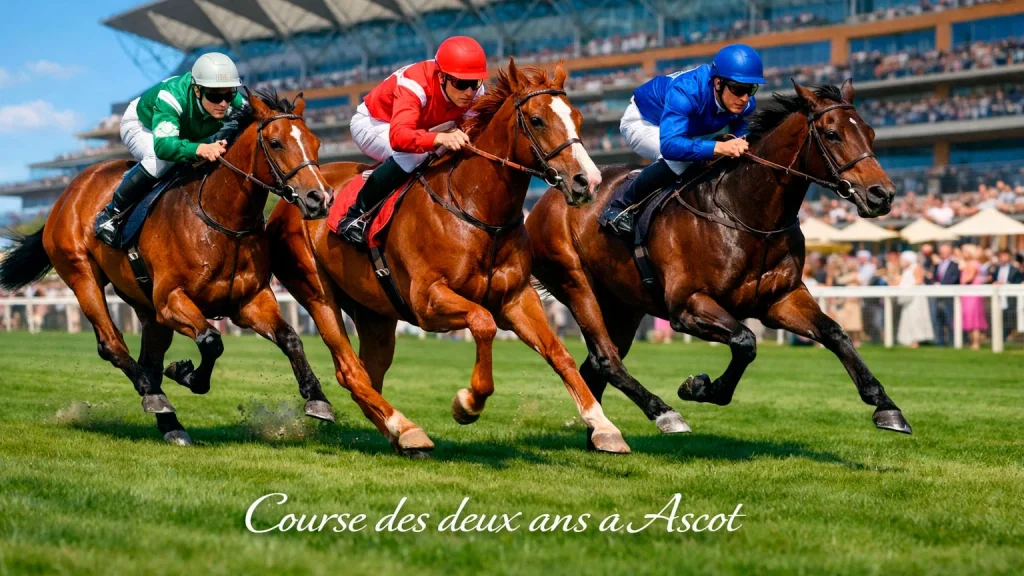
Coventry Stakes betting opens Royal Ascot’s juvenile programme with a Group 2 showcase of the best two-year-olds in training. Run over six furlongs on the opening Tuesday, the race attracts precocious talent from leading yards—horses whose early-season victories have marked them as potential stars. For bettors, the challenge lies in spotting juvenile stars before the market fully appreciates their ceiling, identifying which impressive maiden winners will handle the step up in class and which will be found wanting against genuine rivals.
The Coventry has launched careers of subsequent Group 1 winners and Classic contenders. Its timing—just weeks into the two-year-old season—means form is limited but opinions are strong. Trainers bring their most forward juveniles, believing Royal Ascot success will establish reputations and enhance stud values. This guide examines which trainers dominate the race, how to read early-season juvenile form, pedigree factors that influence prospects, and practical approaches to backing unproven youngsters at racing’s most prestigious meeting.
Ballydoyle’s Coventry Dominance
Aidan O’Brien’s record in the Coventry Stakes sets him apart from every other trainer. According to bet365’s Royal Ascot records, O’Brien has won the Coventry eleven times—more than double any other trainer in modern history. This dominance reflects Ballydoyle’s ability to identify and develop precocious talent: recognising which yearling purchases possess both the ability and the mentality to perform at the highest level before their second birthday.
O’Brien’s system prioritises racing experience over trial gallops. His juveniles typically debut earlier in the season than rivals from other major yards, banking genuine race experience that pays dividends at Royal Ascot. A Ballydoyle runner arriving at the Coventry with two runs under its belt has learned lessons that a debutant—however talented—cannot replicate. This experience advantage compounds O’Brien’s natural access to top-tier bloodstock.
Multiple Ballydoyle entries complicate assessment. O’Brien often runs several horses in the Coventry, requiring bettors to identify which represents the stable’s first string. Jockey bookings provide clues: Ryan Moore’s mount typically carries the yard’s primary hope. Watch for horses that have impressed in home work or whose pedigrees suggest immediate talent rather than gradual development. O’Brien’s runners rarely start at generous prices, but dismissing his team entirely ignores overwhelming historical evidence.
Opposing O’Brien demands identifying specific weaknesses in his Coventry runners or exceptional qualities in alternatives. If his entries are debuting or stepping up sharply in class without proven form, vulnerability exists. If an alternative has demonstrated superior ability in trials—perhaps a ready-made Group winner from another leading yard—the balance shifts. Never oppose O’Brien reflexively, but never ignore value elsewhere simply because Ballydoyle is represented.
Reading Early-Season Juvenile Form
Juvenile form in May and early June requires cautious interpretation. Horses are developing rapidly; the best are improving between runs at rates that adult horses cannot match. A maiden winner who beat moderate rivals by three lengths might have improved sufficiently to double that margin against better opposition—or might have reached a ceiling that sterner tests expose. Limited sample sizes and heterogeneous development trajectories make precise assessment difficult.
The competitive landscape at Royal Ascot demonstrates how quickly the juvenile picture evolves. In 2025, John and Thady Gosden finished as leading trainers with five victories, narrowly edging Aidan O’Brien. This result illustrated how depth of quality among two-year-olds can shift week by week as different horses reach race readiness. The Gosdens’ success reflected horses peaking at precisely the right moment—a skill that translates directly to Coventry Stakes assessment.
Maiden form varies wildly in quality. A horse winning a Newmarket maiden on the Rowley Mile against well-bred rivals from major yards has achieved more than one beating moderate opposition at a minor track. Check the subsequent runs of beaten horses: if second and third have franked the form by winning subsequently, the original victory means more. Form that reads impressively but remains unfranked deserves scepticism until evidence accumulates.
Time figures and sectional data provide objective comparison where visual assessments might mislead. A juvenile recording fast sectionals while winning easily suggests reserves of ability not yet tapped. One who won while struggling in the closing stages might have reached its limit despite the winning margin. Where timing data exists for trial races, use it to calibrate impressions formed from watching replays or reading commentaries.
Pedigree and Precocity
Two-year-old racing favours pedigrees that produce early speed. First-season sires whose own careers demonstrated precocity—winning at two before Classic campaigns—often transmit that trait. Similarly, dams who raced successfully at two, or whose other offspring showed juvenile ability, produce runners more likely to perform in early-summer Group races. Studying pedigrees helps distinguish runners ready to excel now from those whose breeding suggests later development.
Certain sire lines dominate juvenile Group races. Speed-oriented stallions whose progeny show sharp acceleration over six furlongs suit the Coventry’s demands better than those producing middle-distance types. Conversely, stamina-heavy pedigrees might indicate horses who will improve as distances extend—valuable for autumn targets but less relevant to a June sprint. Match pedigree profile to race demands rather than assuming all expensive yearlings possess immediate ability.
Dam’s performance at two provides particularly useful guidance. Mares who won or placed at Group level as juveniles demonstrably carried the mentality and physical development required for early success. Their offspring inherit not just speed but the precocity that allows them to compete under pressure before they are fully mature. Check Coventry entries’ damsides carefully; this information often proves more predictive than sire reputation alone.
Yearling sale prices reflect commercial assessments of pedigree quality but do not guarantee Coventry success. Expensive purchases receive superior training and opportunities, yet plenty of seven-figure yearlings never reach the track while modest purchases outperform expectations. Use price as one data point among many rather than a primary selection criterion. The most expensive horse in the field might be the best, or it might carry expectations its ability cannot satisfy.
Betting the Coventry
Market support from major stables indicates insider confidence that bettors should respect. When a Ballydoyle or Godolphin juvenile shortens significantly from opening prices, intelligence is flowing. These operations possess information about relative home form, attitude at exercise, and constitution under stress that outsiders cannot access. Ignore dramatic market moves at your peril; the information asymmetry in juvenile racing exceeds that in handicaps or established Group races.
Ante-post betting carries heightened risk in juvenile races. Horses can disappoint in final work, develop minor setbacks, or simply fail to thrive as connections hoped. Non-runner probability is higher than in races featuring proven performers, and the prices available ante-post rarely compensate adequately for this risk. Unless you possess specific information about a horse’s well-being and connections’ intentions, waiting until closer to race time reduces exposure to non-runner loss.
Each-way value exists at double-figure prices when fields are competitive. The Coventry typically attracts ten to fifteen runners, with place terms paying three or four positions. Horses who might lack the class to win can still place against stronger rivals, returning something even when falling short of victory. Target each-way selections at 12/1 or longer whose form suggests frame potential even if winning requires significant improvement.
Trust the eye test where form is limited. Having watched trial race replays, assess which horses impressed visually: travelling strongly, quickening smartly when asked, and winning with authority despite greenness. Professionalism under pressure—performing when surrounded by crowds and noise at Royal Ascot—matters more than raw ability when horses are this inexperienced. Back juveniles who looked mature beyond their years; avoid those whose victories came with anxiety or difficulty.